Conservation Area Tree Felling Notice vs TPO: Key Differences
Self builders often confuse conservation area tree felling notice vs TPO rules. Learn the legal differences, notice periods, and how to avoid enforcement action.
Conservation Area Tree Felling Notice vs TPO: The Two Legal Regimes Self Builders Must Not Confuse
Both a Tree Preservation Order and conservation area designation restrict what you can do to trees, but they do it through different legal mechanisms. Self builders often assume a TPO is the only trigger worth checking, then discover the hard way that a conservation area tree felling notice vs TPO comparison is not academic. It decides whether you submit a notice and wait six weeks or apply for consent and wait for a decision. Get it wrong and you are looking at enforcement, fines, and a replanting order that lands in the middle of your build programme.
What Triggers Protection: How Trees Gain TPO Status or Conservation Area Cover
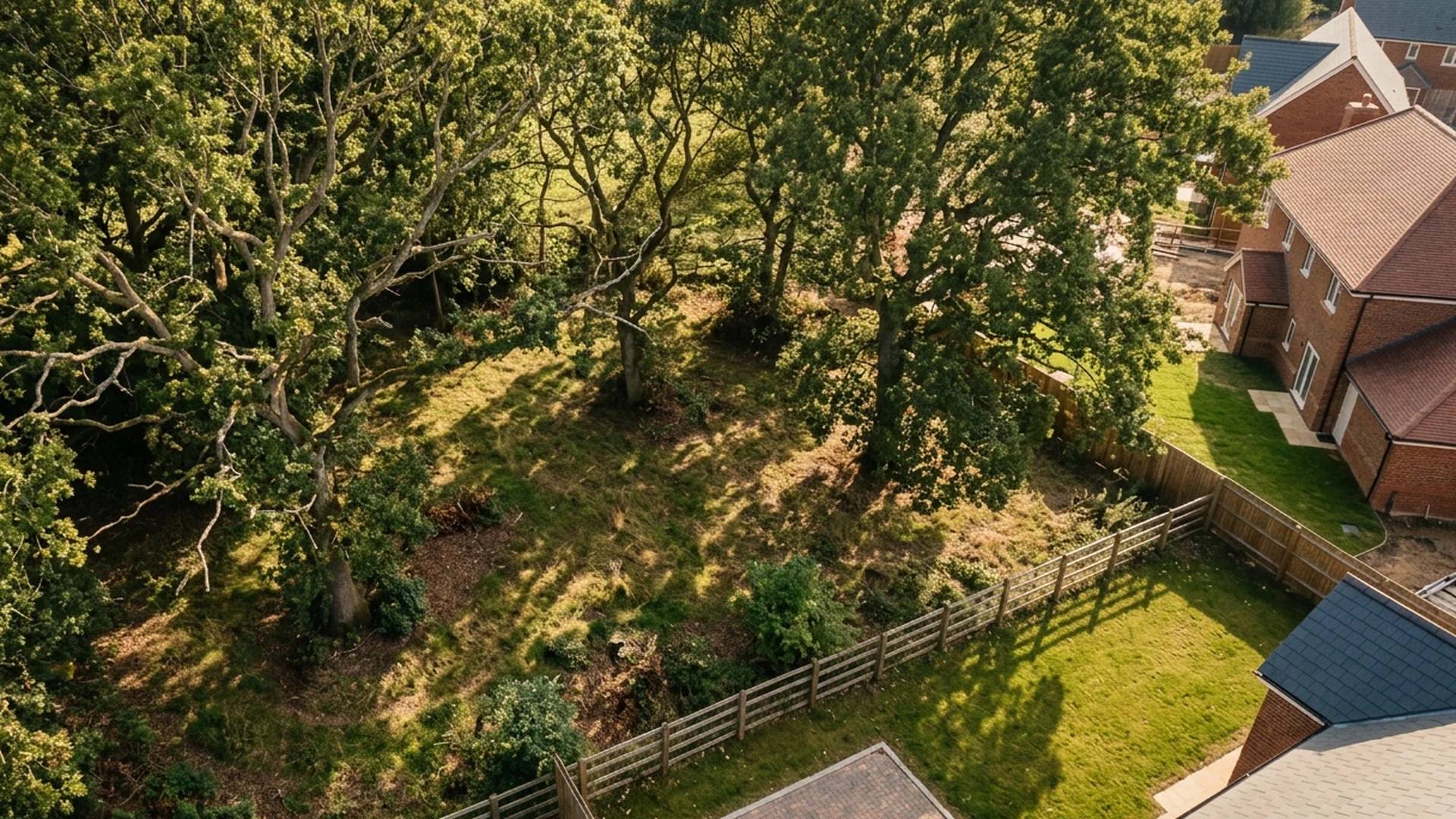
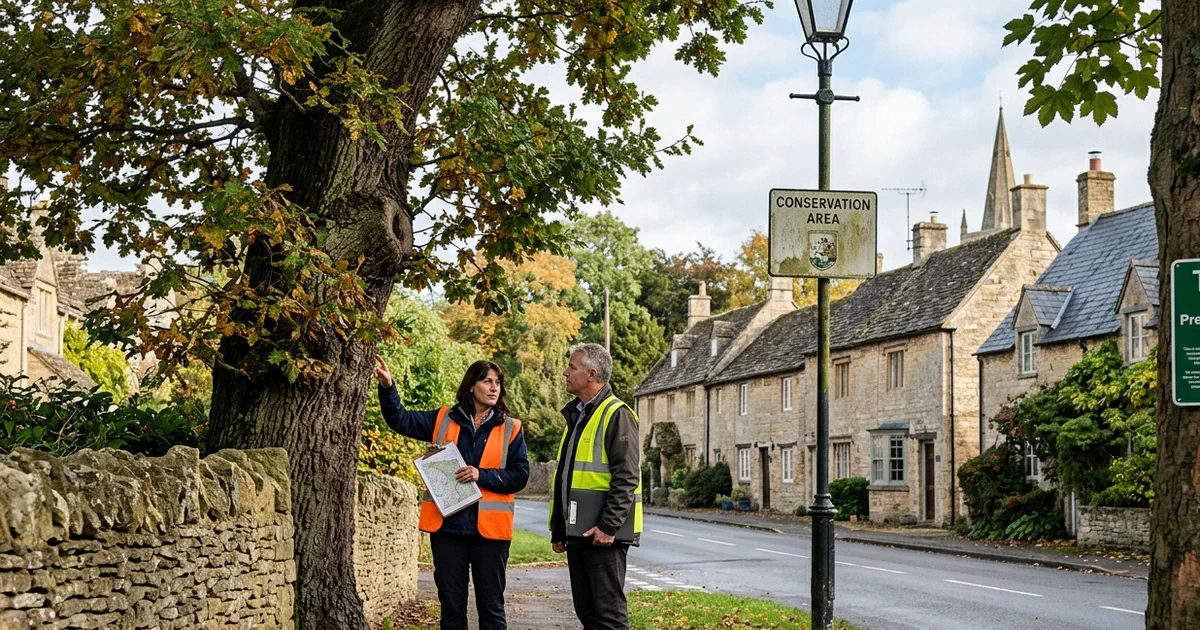
A TPO is made by the local planning authority and can cover a single tree, a group, an area, or a woodland. Conservation area designation is different: it gives blanket protection to trees above a size threshold across the whole designated area, with no individual order needed. A tree can be covered by both at once. That is why a status check is not optional. We have seen sites where the TPO schedule missed a tree that conservation area cover still protected, and the client only found out after the contractor had started.
The Core Process Difference: Section 211 Notice vs TPO Application for Consent
In a conservation area you submit a tree felling notice under Section 211 and wait six weeks before works can start. With a TPO you submit a formal application for consent and the LPA issues a decision, usually within eight weeks. A conservation area notice is not TPO permission. It does not grant approval. It gives the LPA time to consider whether to make a TPO. Treating the notice as a green light is one of the most common and most expensive mistakes on self build sites.
Notice periods
What a Conservation Area Tree Felling Notice Covers – and Its Limits
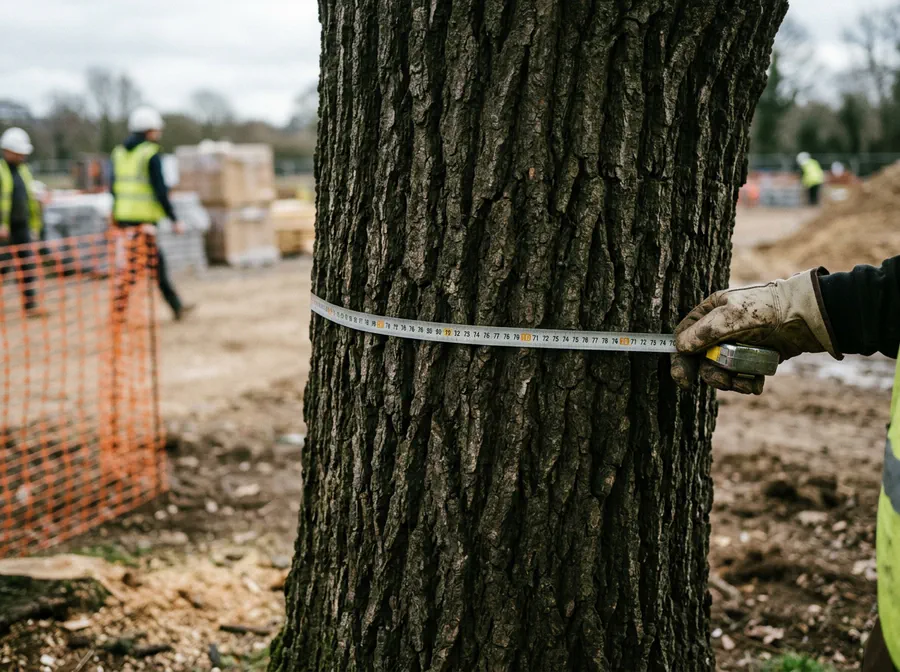
Conservation area protection normally applies to trees with a trunk diameter over 75mm at 1.5m above ground. Below that threshold, and for dead, dying, or dangerous trees, limited exemptions apply. The notice does not grant approval. It only gives the LPA six weeks to decide whether to serve a TPO. If they do, your notice is overtaken and you need consent. If they do not, you can proceed, but only within the scope of what you notified.
How a TPO Changes the Rules: Consent, Conditions and Enforcement
A TPO requires formal consent before felling or pruning, even inside a conservation area. Conditions can be attached, including replanting. Unauthorised works to a TPO tree are a criminal offence. Where both protections apply, the TPO usually takes precedence. We have dealt with cases where a contractor removed a tree under a conservation area notice while a TPO was being processed, and the replanting condition alone added months to the landscaping programme.

Exemptions, Emergencies and Penalties: Where Self Builders Get Caught Out
Emergency works are allowed where a tree is genuinely dangerous, but you must notify the LPA where required and keep evidence. Dead tree exemptions do not cover trees you simply want gone. “I didn’t know” is not a defence. Enforcement can include fines and replanting notices, and the LPA can require replacement trees of a specified size and species. On a tight programme, that is a delay you cannot design around.
Site Evidence and Surveys: What Your LPA Will Expect for Either Route
A BS5837 tree survey, tree constraints plan, arboricultural impact assessment, and method statement identify protected trees and support either a conservation area notice or a TPO application. This is the practical first step. Without it, you are guessing at status and scope, and LPAs will push back on incomplete submissions. A survey also gives you the trunk diameters and root protection areas you need to argue your case.
Decision Path for Self Builders: Notice or Application?
Check status
Confirm TPO and conservation area cover for every tree on site.Survey and measure
Commission a BS5837 survey and record trunk diameters.Take advice
Get arboricultural input on the correct route and scope.Submit and wait
Submit the correct form and wait the full period before starting works.
A conservation area tree felling notice cannot be used as a shortcut where a TPO applies. Check first, submit correctly, and wait the full period. That sequence protects your programme and your planning position.
Frequently asked questions
Find out what's on your site before it becomes a problem.
Subito provides BS5837 tree surveys and arboricultural impact assessments for planning applications across England. If your site has old trees, we will identify them, assess them, and give you the information you need to design around them with confidence.