Information Needed Before a Tree Survey Visit
Sending the right information before a tree survey site visit prevents abortive trips and return fees. Here is exactly what your arboriculturist needs upfront.
What information is needed before a tree survey site visit? (And why it prevents a wasted trip)
A concise pre-visit information pack lets your arboriculturist scope the survey properly, check access before travelling, and flag likely constraints while there is still time to design around them. When the basics are missing, the visit often goes ahead anyway and the surveyor arrives to find a locked barrier, no site contact, or a layout that has been superseded twice. That is an abortive visit at best, and a return trip at your cost at worst. On a tight planning deadline, a two week delay for a re-visit can push submission past a committee date.
Site location, boundary and ownership details
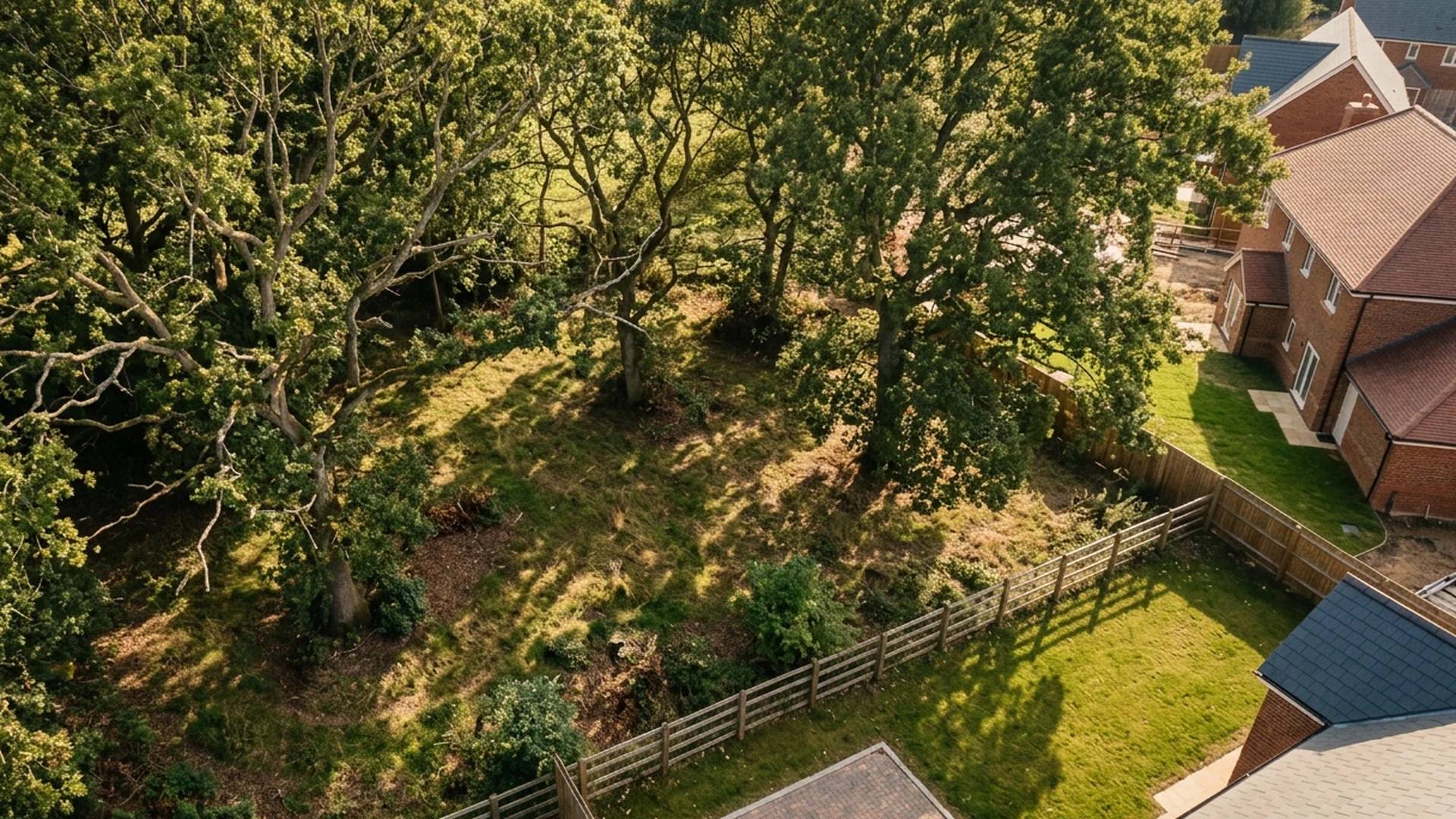
Start with the full address, a site plan showing the red line boundary, and either a grid reference or a what3words location. If the red line has moved since the last drawing issue, say so. Boundary changes matter more than people expect: a strip of land acquired from a neighbour can bring three mature oaks into scope that nobody has surveyed. Confirm who owns the neighbouring land and whether any trees near the boundary are theirs, because third-party consent is needed before anyone sets foot on that side. Name the person who can authorise access on the day, and note whether that person will actually be on site or just reachable by phone.
Existing plans, drawings and project proposals
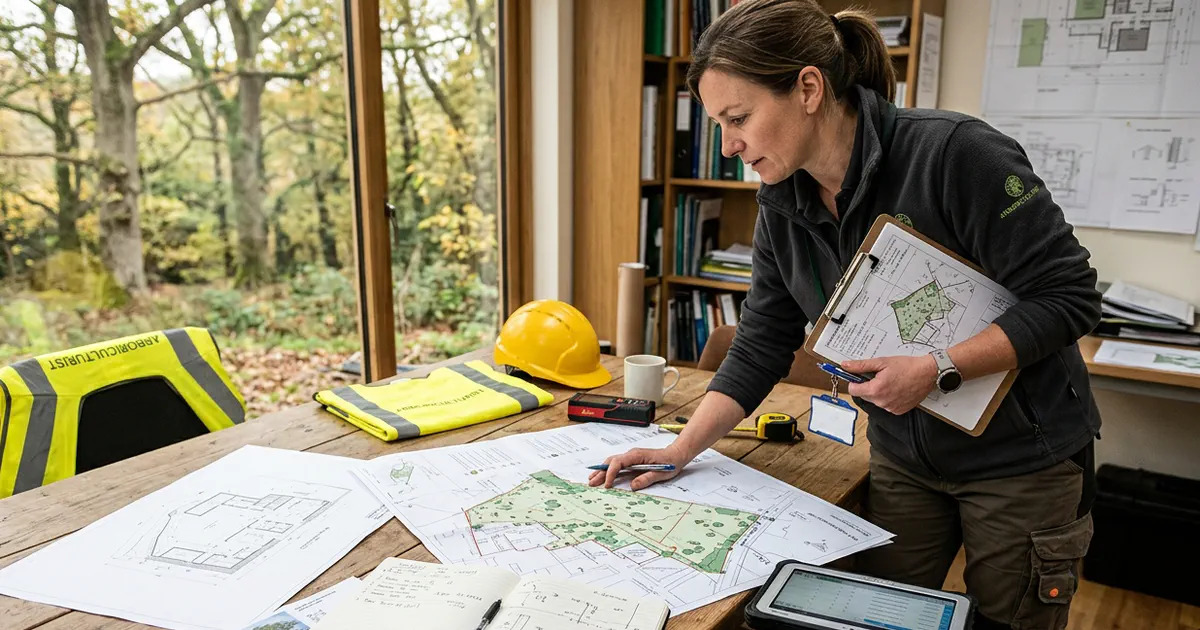
Send the architect’s layout, block plan, and any outline application drawings, plus proposed access, drainage runs, and the masterplan if one exists. Revision numbers and dates matter as much as the drawings themselves. Arboriculturists regularly receive a pack where the block plan is revision C and the landscape plan is revision A, and the two disagree about where the access road sits. Working from the wrong set means the tree constraints plan is wrong, and the whole BS5837 report may need redoing. If a layout is still in flux, send the current version and tell us what is likely to change.
Tree-related documents and previous reports
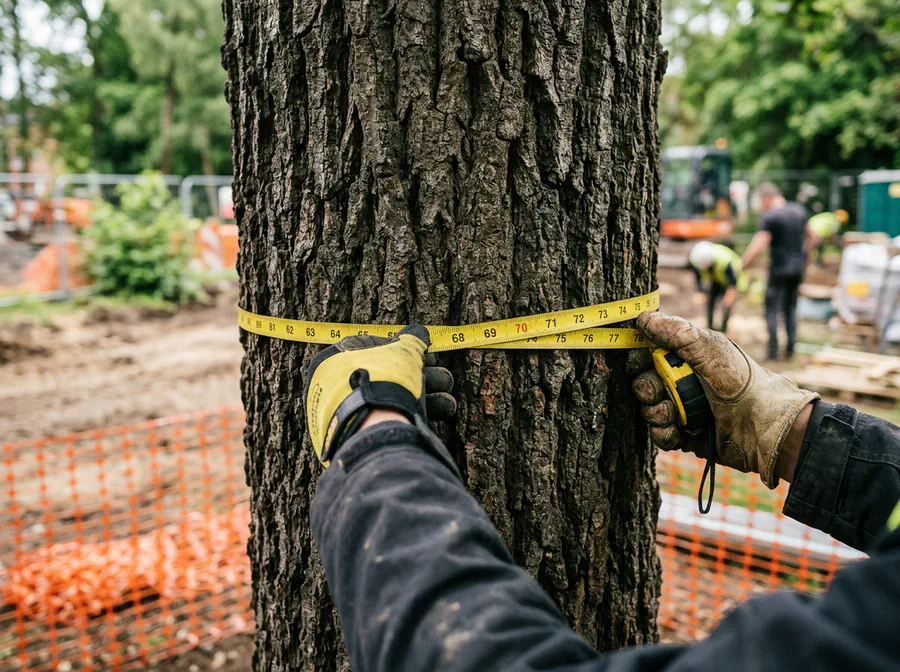
Gather any previous tree survey or BS5837 report, TPO schedules and conservation area maps, tree protection plans, felling licences, veteran tree records, and ecological reports. State clearly whether each document is current or historical. A 2019 tree survey on a site that has since been cleared is not evidence of current conditions, but it is useful context. TPO data is the one item worth chasing hard before the visit.

Access, logistics and site contact information
Provide a site contact name and mobile number, gate codes, parking arrangements, and any known hazards such as uneven terrain, locked barriers, or restricted working hours. Flag utilities, asbestos, or contamination alerts. Confirm whether the arboriculturist can access all areas or needs an escort, and whether keys are needed for any compound. A surprising number of visits are cut short because the only access point is a padlocked gate and the person with the code is in a meeting.
Project scope, planning context and known constraints
Set out the application type, the local planning authority, and your target submission date. Note any proposed tree works, root protection area concerns, and design constraints already identified. Include pre-application advice or planning officer comments if you have them, because these often shape what the report needs to address. If the LPA has already raised a specific issue, such as a veteran tree or a proposed access across an RPA, say so now rather than after the survey.
A reusable pre-visit checklist for architects, developers and landowners
Send everything in one email or a shared folder rather than across five threads. Use clear file names such as 2401_SiteName_TPO_map.pdf and 2401_SiteName_Layout_RevC.dwg, and send drawings as PDF and DWG where possible. Include a single point of contact for follow-up questions. A short covering note listing what is attached, what is missing, and when the missing items are expected saves more time than any template.
What to do if you don’t have everything yet
Send partial information with a note on the gaps and expected dates. Your arboriculturist can then judge whether the visit should go ahead or wait. Do not delay a survey for non-critical items like a landscape masterplan that will not affect tree positions. Do not risk a wasted trip by omitting access or scope essentials. If the site contact is unavailable and the gate is locked, reschedule rather than send someone to stand outside.
Frequently asked questions
Find out what's on your site before it becomes a problem.
Subito provides BS5837 tree surveys and arboricultural impact assessments for planning applications across England. If your site has old trees, we will identify them, assess them, and give you the information you need to design around them with confidence.