Tree Officer Site Visit: Discharge Checklist
What does a tree officer check before signing off a planning condition? See the real site visit checklist and how to pass first time.
What a Tree Officer Actually Checks Before Signing Off a Discharge
Why the Visit Matters More Than the Paperwork
You have submitted the tree protection plan, the method statement, and the site monitoring records. The paperwork looks perfect. Then the tree officer books a site visit, and suddenly the discharge is not a foregone conclusion. The visit is the real test of compliance. It is where the officer checks that what was approved actually happened on the ground. A single missed detail, a fence panel moved for convenience, or a trench dug a metre inside the exclusion zone, can stall your sign-off for weeks. That delay costs money, especially if you are waiting to start on site or to sell the completed units.
How the Officer Prepares Before Stepping On Site
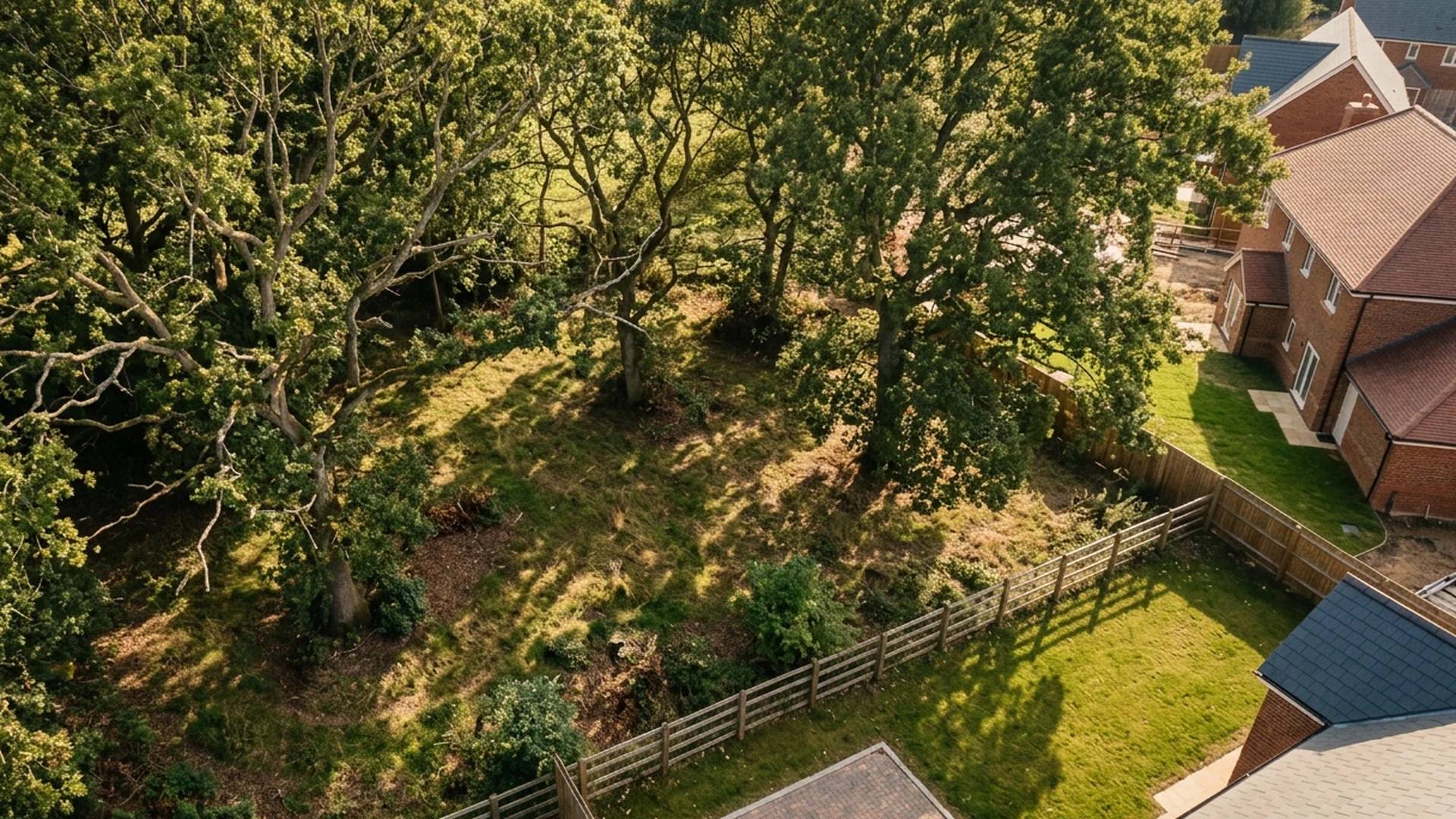
Before the visit, the officer reviews the approved drawings and documents. They will have the tree protection plan (TPP), the arboricultural method statement (AMS), and the original tree survey or arboricultural impact assessment. They will also check the condition schedule attached to the planning permission. The officer will note the exact location of every protection barrier, the extent of the root protection area (RPA) for each retained tree, and the approved works schedule. They will also look at any previous site monitoring reports, if you submitted them. This preparation means they arrive with a clear mental map of what should be there. They are not looking for perfection, but they are looking for significant deviation.
Tree Protection Fencing: Is It Where It Should Be?
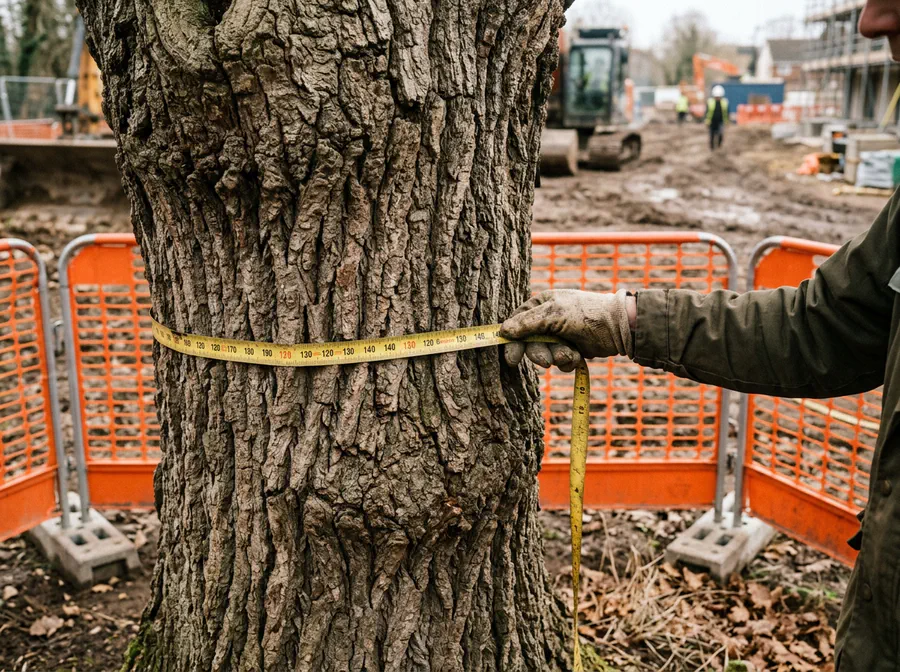
The first thing the officer checks is the protective barrier. It must be exactly where the approved TPP shows it, not roughly in the area, but precisely. They will walk the line of the fencing, checking that it is continuous, with no gaps that a digger or a delivery driver could slip through. They will also check the integrity of the fencing. Is it the specified type, usually Heras panels or similar, and is it securely fixed? A fence that has blown over or been propped up with a brick is a red flag. The officer will also look for signs that the fence has been moved during the works, such as fresh tyre tracks or disturbed ground outside the barrier. If the fence is not where it should be, the visit ends there, and you will need to correct it and rebook.
Ground Protection and the Condition of the Root Protection Area
Inside the RPA, the officer will look at the ground protection. If the approved method statement requires ground protection matting, they will check that it is down, that it covers the full area specified, and that it is in good condition. They will also look for signs of compaction, such as rutting, standing water, or soil that has been churned up. Even with matting, the officer will check the edges for damage where vehicles may have driven off the protected surface. They will also look for any new hardstanding, paths, or service trenches that were not approved. The RPA is the most sensitive area, and any unauthorised intrusion is a serious issue.
Tree Health and Vitality: Spotting Damage or Stress
The officer will then inspect the trees themselves. They will look at the trunk and lower branches for physical damage, such as scrapes, cuts, or bark stripping caused by machinery. They will check the canopy for broken branches, torn bark, or signs of dieback. They will also look for evidence of root disturbance, such as severed roots at the edge of the RPA or soil that has been excavated too close to the stem. The officer will also note any signs of disease or stress, such as premature leaf drop, discolouration, or fungal fruiting bodies. These checks are not just about the current condition; they are about whether the tree is likely to survive the next five years. If the officer sees damage that was not reported, they may require a further tree health assessment before signing off.
Works Compliance: Did the Contractor Do What Was Approved?
If the planning permission includes tree works, such as pruning or removal, the officer will check that they were done according to the approved schedule. They will look at the pruning cuts, checking that they are clean, properly positioned, and not leaving stubs or torn bark. They will also check the extent of crown reductions or thinning against the specified percentages. A 30% crown reduction that actually removed 40% is a breach. Removals are checked against the tree schedule, and any tree that was supposed to be retained but was removed is a serious issue. Minor deviations, such as a slightly different pruning cut, may be tolerated if the tree is not harmed, but the officer will note them and may ask for a revised method statement.
Timing, Seasonal Conditions, and Aftercare Requirements
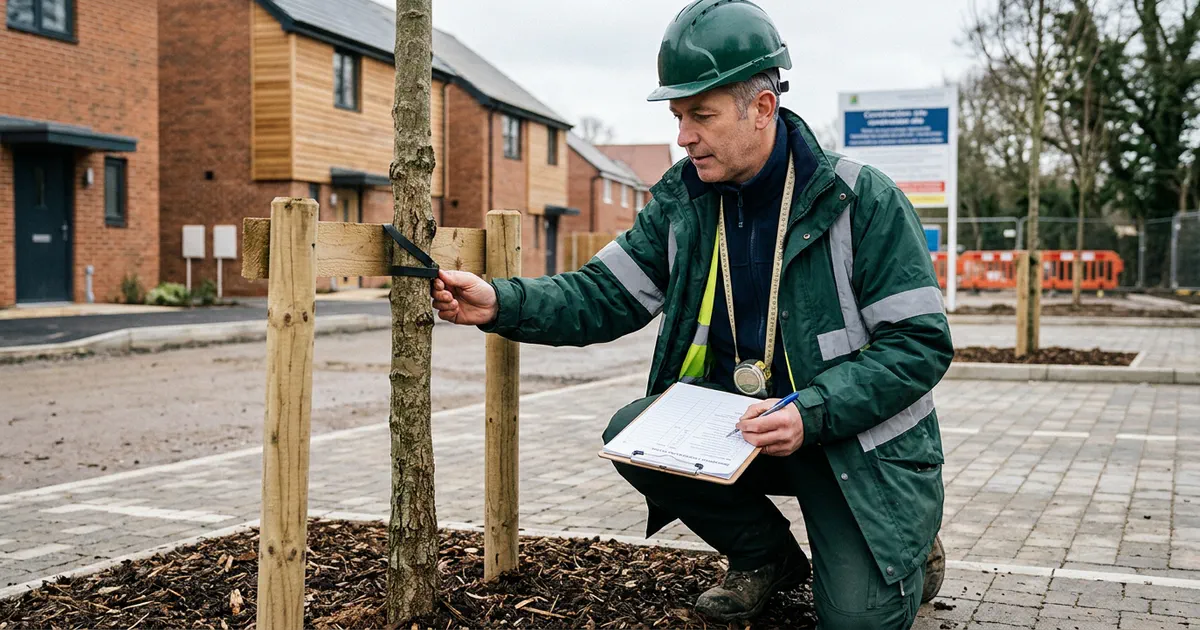
The time of year matters. Some tree works are only permitted during certain seasons, such as bird nesting season restrictions. The officer will check that the works were carried out within the approved window. They will also consider seasonal conditions, such as drought or waterlogging, which can affect tree health and the success of aftercare. If the condition requires aftercare, such as mulching, watering, or replacement planting, the officer will check that it has been done and that it is being maintained. They may also look at the condition of any new trees or shrubs planted as part of the scheme. If the aftercare is not in place, the officer may issue a temporary refusal, giving you a set period to complete the work.
The Most Common Reasons for Refusal and How to Pass First Time
The most common reasons for refusal are straightforward: fencing not in the right place, ground protection missing or inadequate, and evidence of unauthorised works within the RPA. Another frequent issue is poor record keeping, such as not having the site monitoring reports on hand during the visit. To pass first time, do a pre-visit audit. Walk the site with the approved TPP and AMS, and check every item. Make sure the fencing is exactly where it should be, that the ground protection is down and in good condition, and that there are no signs of recent intrusion. Have all the paperwork ready, including the monitoring reports and any correspondence with the council. If you are unsure, bring in an arboricultural consultant to do a dry run before the officer arrives. It is a small cost compared to the delay of a refused discharge.

RPA Protection
Fencing Tolerance
Pre-visit audit
Walk the site with the approved TPP and AMS. Check fencing, ground protection, and any works against the plan.Gather paperwork
Have the monitoring reports, method statement, and any correspondence ready for the officer.Correct issues
If you find any deviations, fix them before the visit. Move fencing, replace damaged matting, and clean up any debris.Consider a dry run
If the site is complex or the stakes are high, ask an arboricultural consultant to do a pre-visit inspection.
Frequently asked questions
Find out what's on your site before it becomes a problem.
Subito provides BS5837 tree surveys and arboricultural impact assessments for planning applications across England. If your site has old trees, we will identify them, assess them, and give you the information you need to design around them with confidence.