Tree Survey Finds Bat Roost: What Happens Next
When a tree survey finds a bat roost, work stops, ecologists step in, and a mitigation plan follows. Here's how Subito manages it end-to-end.
The Scenario: A Tree Survey Discovers a Bat Roost
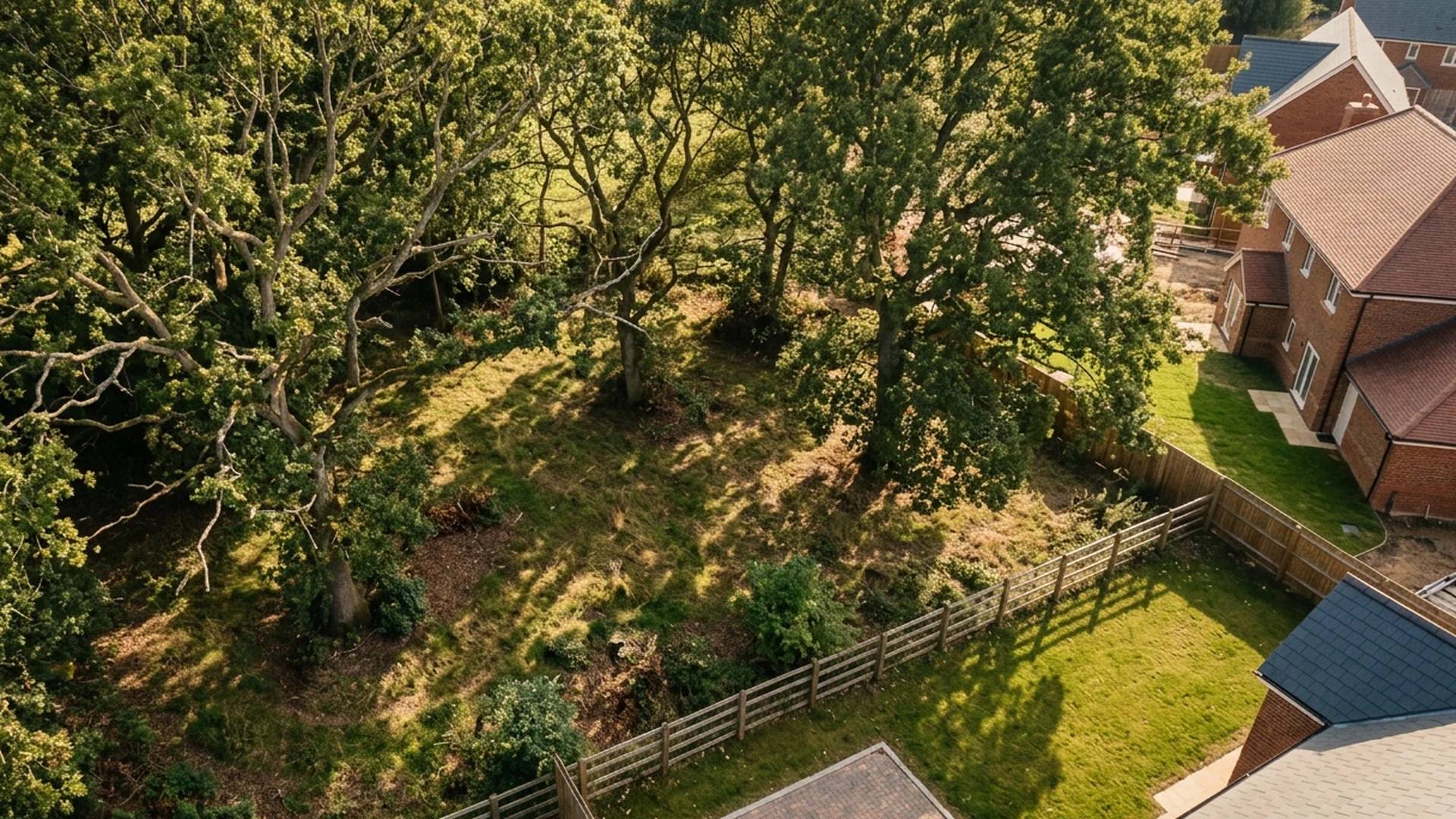
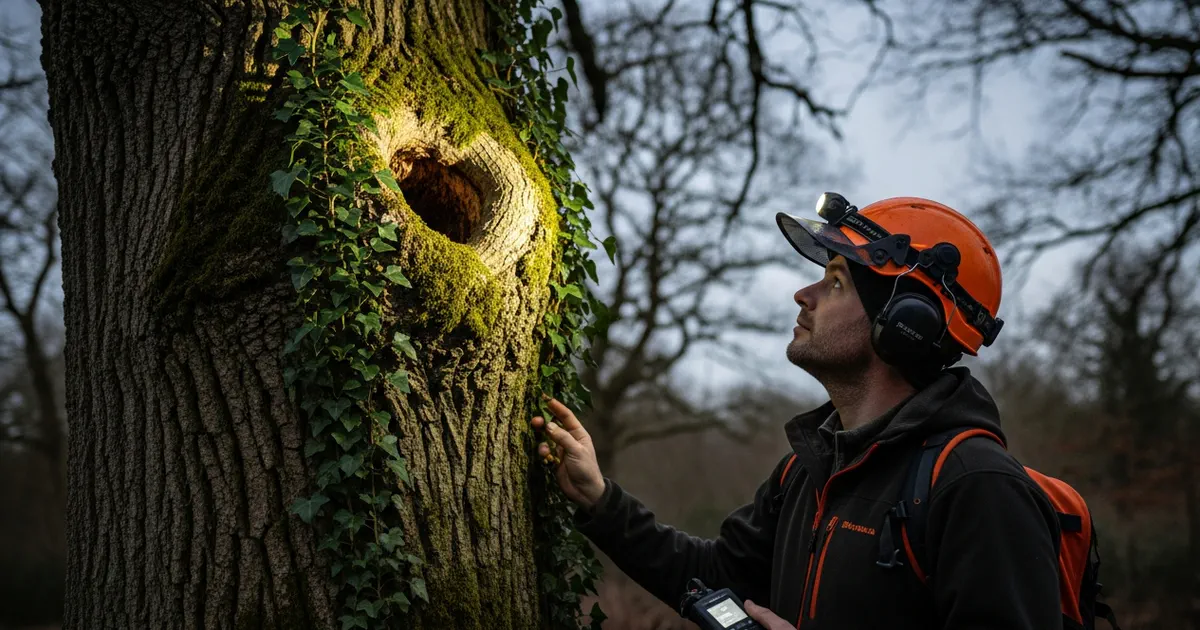
You’ve commissioned a tree survey ahead of a planning application or a development project. The arboriculturist is on site, assessing the trees against BS5837, when they spot something in a cavity or behind loose bark. A quick check with a torch and an endoscope reveals droppings, urine staining, or even a bat tucked into a crevice. This is not a rare edge case. In the South East and East of England, where mature trees and bat populations overlap, it happens more often than most developers expect.
The arboriculturist is trained to spot potential roost features, not just measure trees. So when they find signs of roosting activity, they know exactly what it means. The tree survey bat roost found notification triggers a chain of events that affects your project timeline, your legal obligations, and your budget. But it is a manageable situation, provided the right people are involved from the start.
Immediate Actions Taken at the Site
The first rule is simple: do not disturb the roost. The arboriculturist stops any work near the tree immediately. They take photographs and record the evidence, noting the exact location of the roost feature, the species if identifiable, and the time of day. They do not attempt to handle bats or conduct any destructive surveys. That would be both illegal and dangerous for the bats.
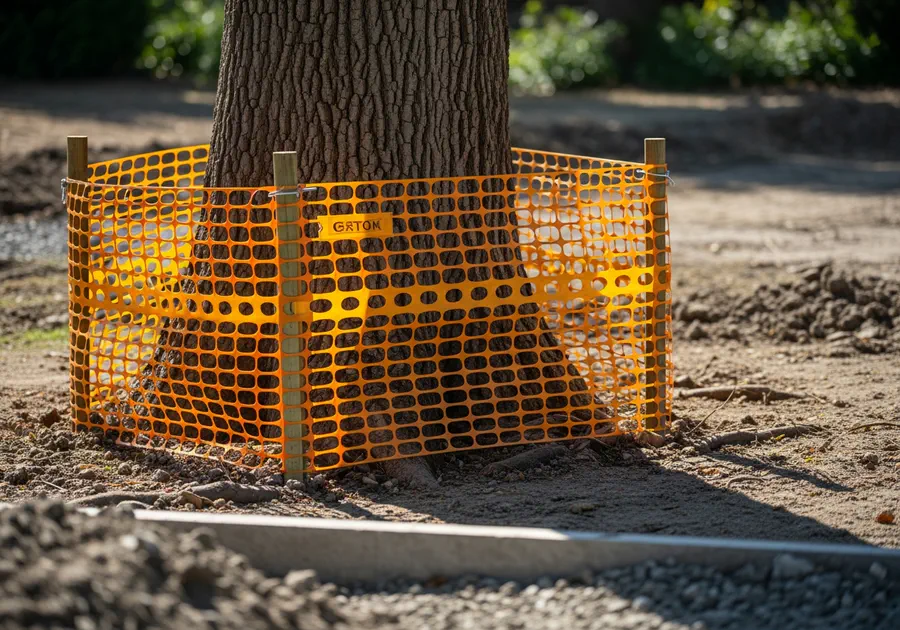
The area around the tree is secured to prevent accidental disturbance. If the tree is on a construction site, the exclusion zone is marked and communicated to the site manager. The arboriculturist then reports the finding to the project team and, if required, to Natural England. This is not a moment for improvisation. The protocol is clear, and following it protects both the bats and your project from further complications.
Why Bats Are Protected by Law
Bats and their roosts are protected under the Conservation of Habitats and Species Regulations 2017, as well as the Wildlife and Countryside Act 1981. This means it is an offence to damage, destroy, or obstruct access to a roost, even if the bats are not present at the time. The law applies regardless of whether the roost is active year-round or only used seasonally.

The presence of a roost triggers a statutory duty of care. You cannot simply proceed with tree removal or pruning. The tree survey bat roost found notification has immediate implications for any planned works, and ignoring it is not an option. The law is strict, but it is also navigable with the right expertise.
Bringing in the Ecology Team: A Joined-Up Response
At Subito, the tree survey and ecology teams work as one unit. When the arboriculturist finds evidence of a roost, they hand over to a licensed bat ecologist. This is not a bureaucratic handoff. It is a seamless transition that ensures the bat survey is conducted to the highest standard.
The ecologist will carry out a formal bat activity survey, which may include dusk emergence surveys or dawn re-entry surveys, depending on the time of year and the type of roost suspected. They will determine the roost type: is it a maternity roost, a hibernation roost, or a transitional roost? They will also identify the species, which matters because different species have different habitat requirements and legal protections.
This specialist assessment is critical. It tells you exactly what you are dealing with and what mitigation will be required. Without it, you are working in the dark, and that is where costly mistakes happen.
How the Findings Affect Your Development Project
The practical consequences of a bat roost discovery are real. Your project may face delays while the bat survey is completed and a mitigation strategy is designed. You will likely need a European Protected Species mitigation licence from Natural England before any works can proceed. This is not a quick process. It can take several weeks, depending on the complexity of the case and the time of year.
The discovery can also alter your tree removal or pruning methods. For example, if a tree has a roost in a cavity, you may be required to remove the tree in sections, using a soft demolition technique, under the supervision of a licensed ecologist. This is more expensive and time-consuming than a straightforward felling, but it is the legal and ethical way to proceed.
However, this is not a disaster. When the tree survey and ecology teams work together from the start, the impact on your programme can be minimised. The key is to identify the issue early and plan around it.
Mitigation, Compensation, and Timelines
Once the bat roost is confirmed, the next step is to design a mitigation and compensation plan. This might involve avoiding the tree entirely, if that is feasible. If not, works will be timed to avoid the bat active season, which typically runs from April to October. During the winter, bats are hibernating, and disturbing them is particularly sensitive.
Mitigation often includes installing bat boxes or creating artificial roosts nearby. These must be in place before the original roost is disturbed. The exact requirements depend on the species and the roost type. For example, a maternity roost will require a more substantial compensation structure than a transitional roost.
Bat active season
The timeline for your project will need to accommodate these measures. But with a clear plan, you can avoid the worst delays. The key is to start the process early and work with a team that understands both arboriculture and ecology.
How Subito Manages the Whole Process End-to-End
Subito offers a combined arboriculture and ecology service that covers every stage of the process. From the initial tree survey, through bat surveys, licence applications, and mitigation delivery, one consultancy coordinates everything. This means you do not have to juggle multiple contractors or worry about gaps in communication.
Our arboriculturists and ecologists work side by side, sharing data and insights. When a tree survey bat roost found, the response is immediate and coordinated. We handle the licence application, design the mitigation, and oversee the works to ensure compliance. This keeps your project on track and avoids the costly surprises that come from discovering issues late in the process.
Across the South East and East of England, we help developers, planners, and landowners navigate these complex requirements. If you are facing a tree survey that might uncover a bat roost, or if you have already found one, we can guide you through the process with confidence.
Frequently asked questions
Find out what's on your site before it becomes a problem.
Subito provides BS5837 tree surveys and arboricultural impact assessments for planning applications across England. If your site has old trees, we will identify them, assess them, and give you the information you need to design around them with confidence.