Tree Survey Pricing: Fixed Price vs Scoped Quote
Tree survey costs vary widely between consultancies. Learn why fixed price and scoped quotes differ, and what it means for your project budget.
Why Tree Survey Costs Vary So Much
If you have requested quotes from more than one arboricultural consultancy, you will have noticed the numbers rarely match. One firm might return a fixed price within hours. Another will ask a series of questions before quoting at all. A third might send a figure that is double the first. None of this is arbitrary, and it is not simply a case of one consultancy being cheaper or more expensive than another. The difference usually comes down to how each firm has decided to price the work, and what they have actually included in their figure.
Tree survey pricing falls into two broad approaches: fixed price packages and scoped quotes. Both are legitimate. Both have practical advantages depending on the situation. Understanding the difference will help you evaluate quotes more accurately, avoid budget surprises, and choose the right consultancy for the type of project you are running.
What a Fixed Price Tree Survey Actually Includes
A fixed price quote is exactly what it sounds like. The consultancy sets a standard fee for a defined type of survey, usually based on site size or tree number bands. You get a number quickly, often without a site visit or detailed conversation.
This model works well for straightforward instructions. A single dwelling with a handful of trees, a small commercial plot with a clear boundary, or a pre-application check where the scope is unlikely to change are all situations where a fixed price is reasonable. The consultancy has done enough of this type of work to know what is involved, and they price accordingly.
The risk with fixed price surveys is what sits outside the defined scope. Many fixed price packages cover the BS 5837 tree survey and report, but exclude additional deliverables that planning authorities commonly require. A tree constraints plan, an arboricultural impact assessment, or a method statement for construction near trees may each carry a separate fee. If you have compared a fixed price quote that covers only the survey against a scoped quote that covers the full planning package, you are not comparing like for like.

Fixed price models also tend to assume a standard level of complexity. If the site has a large number of trees, overlapping root protection areas, or trees subject to a tree preservation order, the fixed price may no longer apply, or the consultancy may deliver a report that does not go far enough to satisfy the local planning authority.
How Scoped Quotes Are Built and Why They Cost More Upfront
A scoped quote requires more information before a fee is agreed. The consultancy will want to know the site location, the planning context, the number and approximate size of trees, what the proposed development involves, and what the local planning authority has asked for or is likely to ask for. Some consultancies will review the site on a mapping tool or carry out a brief site visit before quoting.
This process takes longer, which is why some clients find it frustrating when they are trying to move quickly. But the fee that comes back reflects the actual work required rather than an average assumption. If the site is complex, the quote will be higher than a fixed price package. If the site is simpler than average, it may come in lower.
Scoped quotes are more common on larger residential schemes, commercial developments, and any project where the planning history or tree constraints are already known to be significant. They are also more appropriate when the instruction covers multiple deliverables, because the consultancy can price each element accurately rather than bundling everything into a single figure that may not hold.
The other reason scoped quotes tend to be more detailed is accountability. When a consultancy has asked the right questions and built a fee around a specific scope, there is less room for dispute later about what was and was not included. Both parties have agreed what the work covers before it starts.
The Hidden Costs That Catch Developers Out
The most common source of budget overrun on tree survey instructions is not the survey itself. It is the additional work that follows once the survey is complete and the planning process is underway.
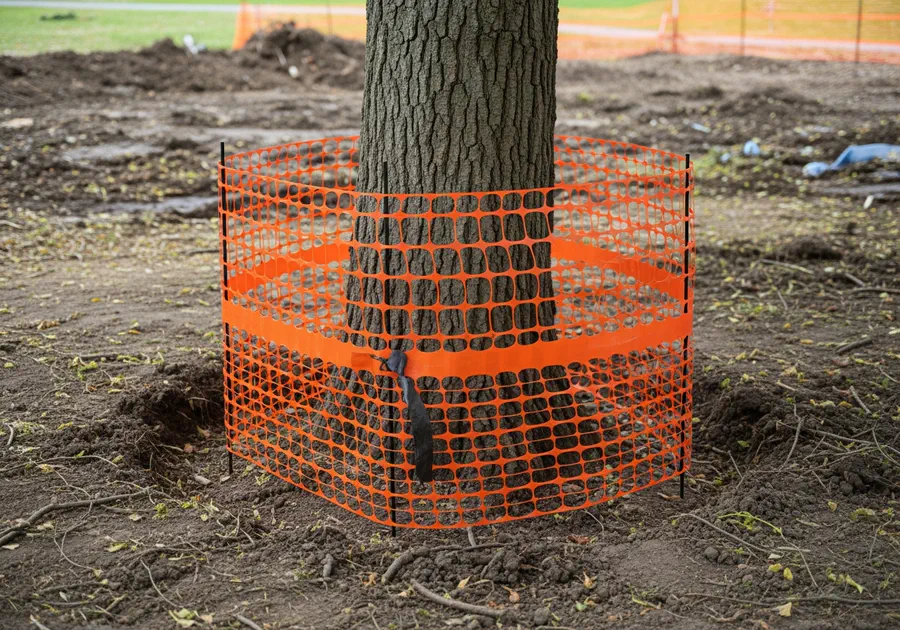
A BS 5837 tree survey produces a schedule and a plan. That is the starting point. Most planning applications that involve trees will also require an arboricultural impact assessment, which analyses how the proposed development affects the trees identified in the survey. Many will also require an arboricultural method statement and a tree protection plan, which set out how retained trees will be protected during construction. Some local planning authorities request all of these as a single combined document. Others ask for them at different stages.
What a BS 5837 survey alone covers
If you have accepted a fixed price quote that covers only the survey, each of these additional documents will carry a further fee. If you have a scoped quote that covers the full planning package, those fees are already agreed. The total cost may look higher at the start, but it is the actual cost of getting through planning rather than an incomplete figure that will grow.
There are also disbursements to consider. Travel time and mileage for sites that are not local to the consultancy, specialist equipment for large or complex sites, and any liaison with the local planning authority or their appointed tree officer can all add to the final invoice if they have not been included in the original quote.
What to Ask Before Accepting Any Quote
Before you accept a tree survey quote, whether fixed price or scoped, there are a small number of questions worth asking directly.
First, ask what the quote includes and what it excludes. A good consultancy will be able to tell you clearly. If the answer is vague, that is a signal worth noting.
Second, ask whether the fee covers everything the local planning authority is likely to require, or only the initial survey. If you already have a pre-application response or a planning officer has indicated what they expect, share that information and ask whether it changes the scope.
Third, ask how variations are handled. If the site turns out to be more complex than anticipated, or if the planning authority requests additional information, will there be a further fee and how will it be calculated? A consultancy that cannot answer this clearly is one that may invoice you for extras without warning.
Fourth, ask about turnaround. Fixed price packages sometimes come with longer lead times because they are processed in volume. If you have a planning submission deadline, confirm that the consultancy can meet it before committing.
How to Compare Quotes Accurately
The only way to compare tree survey quotes accurately is to make sure they cover the same scope. This sounds straightforward but in practice it requires some effort.
List what your project needs
Before approaching any consultancy, write down every document your project is likely to require. If you have a pre-application response, use it. If not, consider what the local authority typically requests for schemes of this type, and factor in whether any trees on site are protected.Map each quote against your list
When quotes arrive, check each one against your list of required deliverables. Note what is included, what is excluded, and what the likely cost of excluded items would be if added separately. A quote that looks cheaper at first glance may not be cheaper once the full scope is accounted for.Factor in local authority knowledge
Consider what you are buying beyond the fee. A consultancy that has worked regularly with the local planning authority, understands the tree officer’s expectations, and can produce reports that do not generate requests for further information is worth more than one that delivers a technically adequate report that stalls your application.Match the pricing model to your project type
For straightforward sites with a clear and limited scope, a fixed price package from a competent consultancy is a reasonable choice. For anything more complex, a scoped quote that covers the full planning requirement from the outset will almost always give you a more accurate picture of what the work will actually cost.
That value does not always show up in the quote, but it shows up in the programme.
Frequently asked questions
Find out what's on your site before it becomes a problem.
Subito provides BS5837 tree surveys and arboricultural impact assessments for planning applications across England. If your site has old trees, we will identify them, assess them, and give you the information you need to design around them with confidence.