Surveys from £1,000
Preliminary Ecological Appraisal (PEA)
A desk study and field walkover to establish what habitats and ecological features are present on your site, and to set a defensible scope for any follow-on species surveys your planning authority will require.
Overview
The First Step in Getting Ecology Right
Most planning projects need ecological evidence before they can progress, and a Preliminary Ecological Appraisal is where that process begins. It combines a review of existing data with a site walkover to build a clear picture of what is present, what is protected, and what further assessment is needed before your application can be submitted.
Getting a PEA done early is one of the most effective things you can do to protect your programme. If follow-on species surveys are required, many of them can only be carried out during specific seasonal windows. Discovering that late can push your project back by months. A PEA commissioned at the right time gives you the information to sequence everything correctly.
We carry out PEAs to the current UK Habitat Classification standard, and every report is written ready to submit with your planning application. We advise plainly on what comes next. Prices start from £1,000.
FAQ
Preliminary Ecological Appraisals — Your Questions Answered
What a PEA is and what it establishes
A Preliminary Ecological Appraisal is a structured, two-stage assessment that identifies the ecological character of a development site. It does not go into the depth of a species-specific survey, but it gives a comprehensive and defensible account of what habitats are present, what ecological features are of note, and whether any protected or notable species are likely to be on or near the site.
That last point is what determines the next steps. The PEA’s primary output, beyond the habitat map, is a clear recommendation on whether further surveys are needed and for which species. That recommendation is what the ecologist stands behind professionally, and it is what the local planning authority uses to decide whether your application is ecologically complete.
The field stage of a PEA was formerly known as an Extended Phase 1 Habitat Survey. That terminology was replaced when the methodology was updated to use the UK Habitat Classification (UKHab) system, which is now the standard for habitat mapping and biodiversity metric calculations across England.
When a PEA is required
A PEA is required whenever a planning application involves land where ecological impacts are possible. That covers a broader range of projects than many applicants expect.
It applies to greenfield and brownfield development, demolition of buildings that could support roosting bats or nesting birds, works affecting hedgerows, watercourses, woodland, or scrub, and any site adjacent to a designated nature conservation area such as a Site of Special Scientific Interest or Local Nature Reserve. It also applies to smaller projects where the site has features that could support protected species: a loft conversion near trees, a garden extension near a pond, a barn conversion in a rural setting.
Your local planning authority’s validation checklist will usually state whether an ecological survey is required. If it is not clear, the safest approach is to commission a PEA before submitting: a refused or invalid application is more disruptive than the survey itself.
How the assessment is carried out
A PEA follows a structured three-stage process.
Stage 1: Desk study. Before attending site, the ecologist reviews existing data covering the site and a defined buffer zone around it. This includes records of protected and notable species, designated sites, historic habitat data, aerial imagery, and any previous survey information. The desk study establishes what is known and flags what needs to be verified on the ground.
Stage 2: UKHab habitat survey. The ecologist walks the entire site, mapping and classifying all habitats present using the UK Habitat Classification system. This replaces the former Extended Phase 1 methodology and ensures the data is compatible with the statutory biodiversity metric used to calculate biodiversity net gain. Every habitat type is recorded, boundaries are mapped, and features of potential ecological interest are noted.
Stage 3: Preliminary species assessment. As the ecologist walks the site, they look for evidence of or potential for protected and notable species. This is not a detailed species survey — it is a professional assessment of whether the conditions exist for particular species to be present. Any features that trigger concern are recorded and used to determine whether targeted follow-on surveys are needed.
What the report contains
The PEA report brings together the desk study findings and field observations into a single document structured for submission to the local planning authority.
It includes a description of the habitats present, a UKHab habitat map, a summary of species records and designated sites within the study area, and a preliminary assessment of the ecological value of the site. Where features of concern were identified during the walkover, the report sets out what further surveys are required, for which species, and within what seasonal windows those surveys must be carried out.
The report also includes recommendations for ecological mitigation and enhancement, even where no significant constraints were found. These contribute to the biodiversity net gain obligation and demonstrate that ecological considerations have been factored into the design from the start.
What a PEA can and cannot confirm
A PEA is a professional appraisal, not a definitive species survey. It can confirm which habitats are present, identify features likely to support protected species, and set a defensible scope for further work. It cannot confirm the presence or absence of any specific species — that requires a targeted survey using the methodology and equipment specific to that species.
This distinction matters when planning your application. A PEA that recommends bat surveys, for example, does not mean bats are definitely present. It means the site has features that could support them and the planning authority will require evidence one way or the other before deciding. The PEA defines what evidence is needed; the species surveys provide it.
Timing, seasonal constraints, and report validity
A PEA can be carried out at any time of year. The desk study and UKHab walkover are not season-dependent, and a competent ecologist can assess habitat potential in winter as effectively as in summer.
The seasonal issue arises with follow-on species surveys. Many protected species surveys have tight optimal windows: great crested newt surveys run from mid-March to mid-June, bat emergence surveys from April to October, breeding bird surveys from March to August. If the PEA is completed late in the season and recommends surveys that cannot be carried out until the following year, your programme is held up accordingly.
Commissioning the PEA as early as possible in your project gives you the maximum chance of fitting any required follow-on surveys into the current season. We can advise on the timing implications for your specific site when we provide your quote.
A PEA report is generally considered valid for two years. After that point, a local planning authority may require an update to confirm that the ecological conditions on site have not changed materially since the original assessment.
What it costs and how to get started
PEA pricing starts from £1,000. The final cost depends on the size of the site, its location, and the complexity of the habitats present. Larger or more ecologically varied sites require more time on the ground and a more detailed report.
To get a quote, provide us with your site address, a brief description of the proposed development, and any correspondence from your local planning authority. We will confirm whether a PEA is the right starting point and provide a fixed price. No hidden costs, no open-ended scope.
Deliverables
Baseline ecology that sets a defensible survey ladder
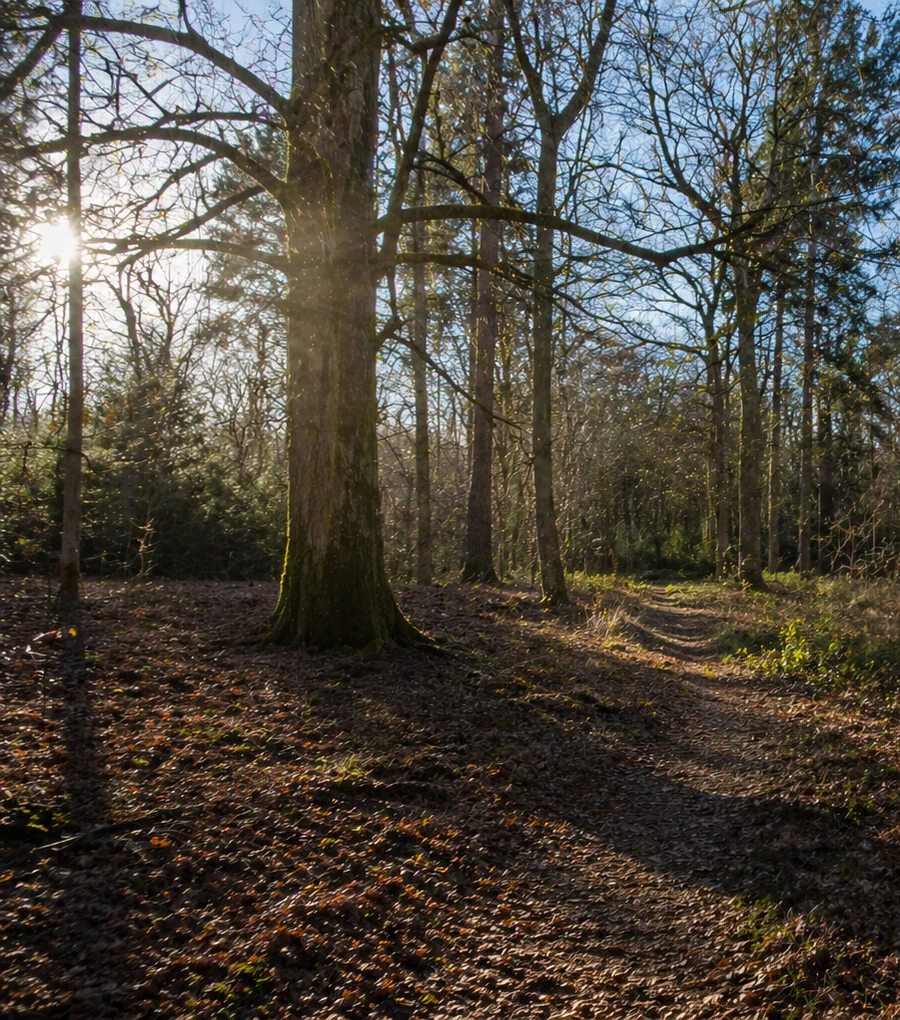
Desk study plus UKHab walkover — habitats, features and species triggers recorded so follow-on work is proportionate, seasonal and validation-ready.
Guides & insights
Ecology news & guides
Seasonal windows, baseline surveys and planning timelines — written for developers and agents.

More surveys
Looking for a different ecology survey?
Compare habitat baselines, species follow-ons and BNG-ready mapping from one coordinated ecology overview.