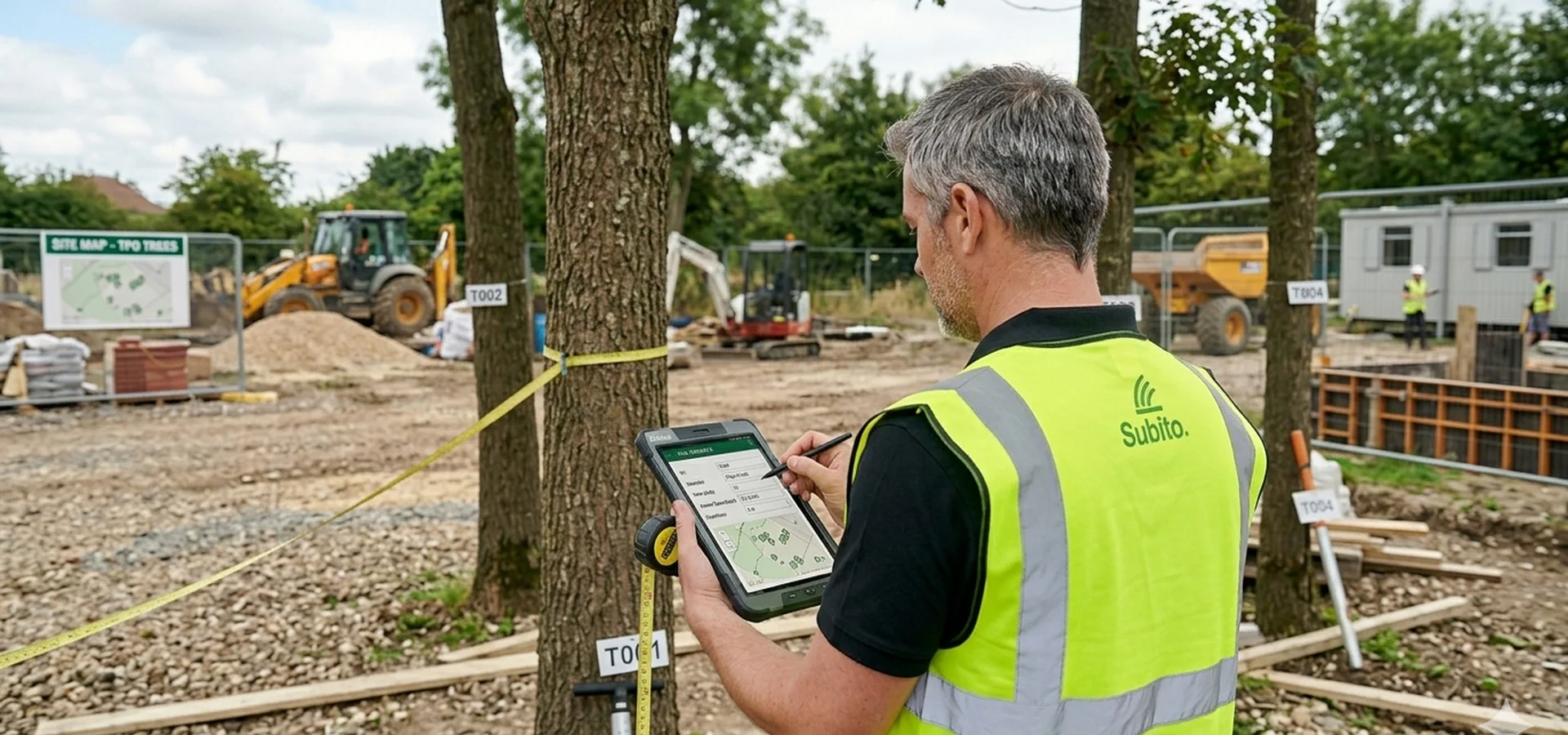
Surveys from £249
Trees & Arboriculture Surveys
Every tree survey and arboricultural report you're likely to need. Fixed price, fast turnaround, fully compliant with BS5837 British Standards.
Overview
Trees on or near your site?
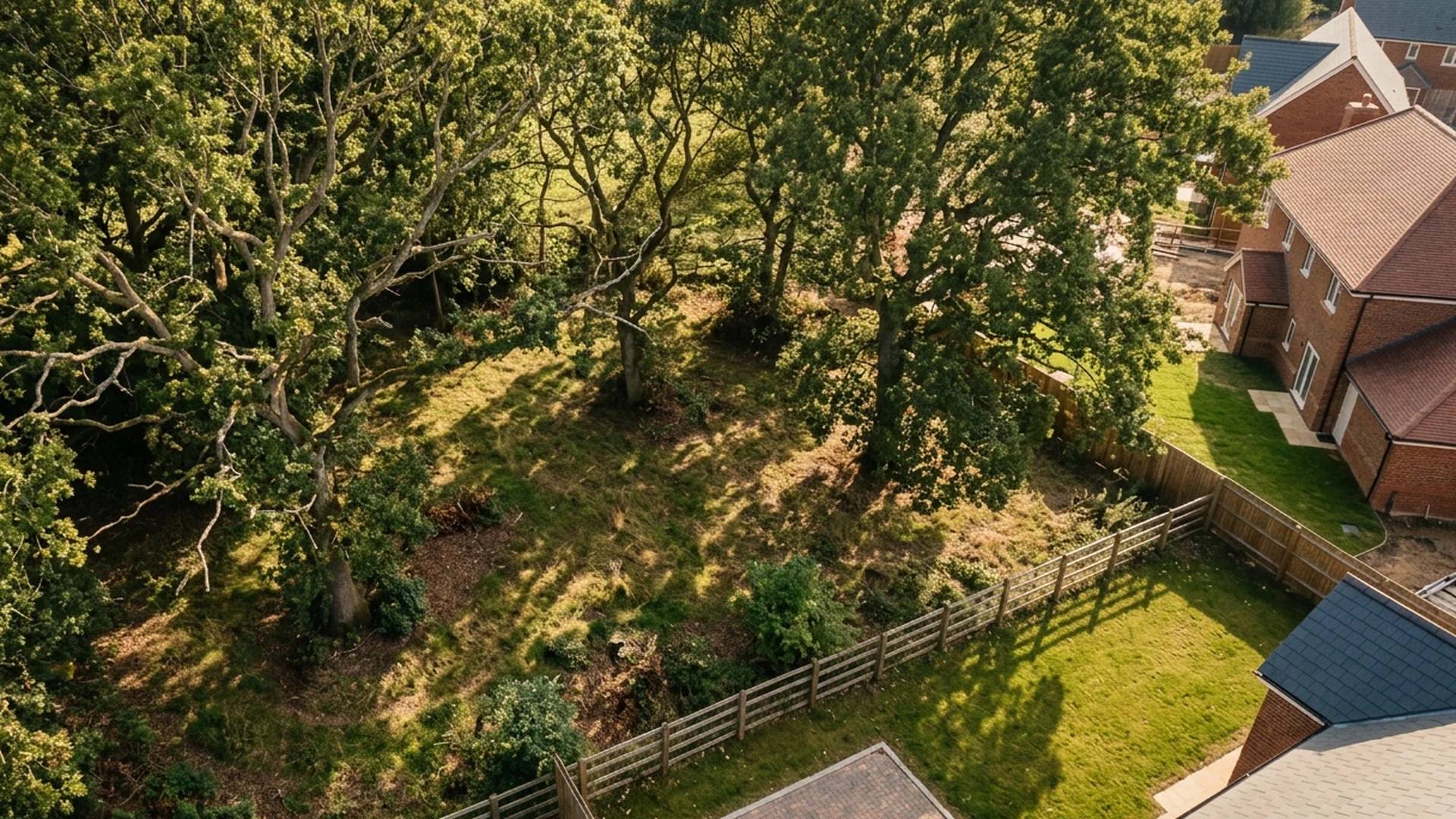
Planning authorities will not validate an application without arboricultural evidence. That means getting the right reports in place before you submit. Not after a refusal sends you back to square one.
We cover the full range: BS5837 surveys, Tree Constraints Plans, Arboricultural Impact Assessments, Method Statements, Tree Protection Plans and site supervision. If your authority has asked for it, we can scope and price it.
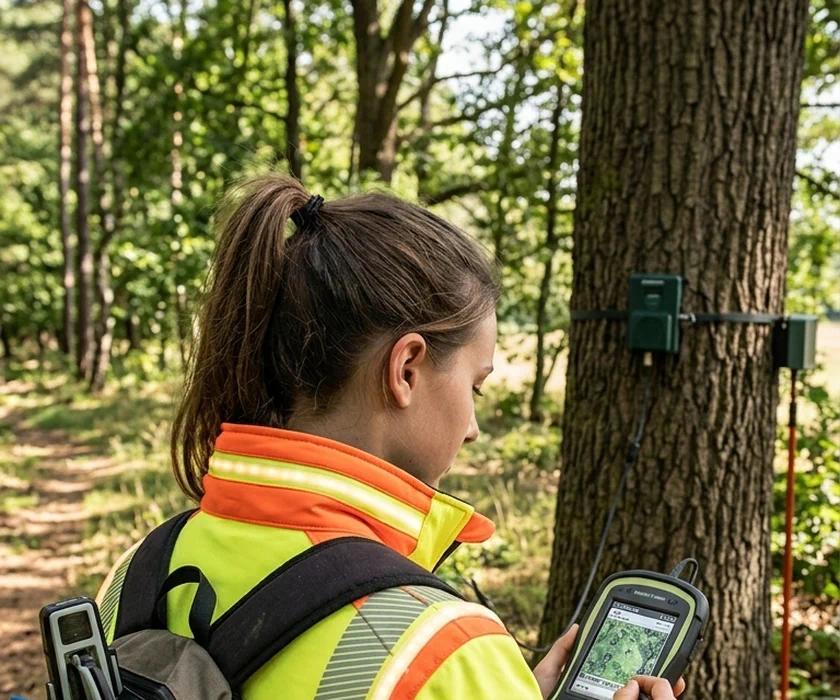
Our surveyors are based across the UK, quotes are created in minutes, reports are turned around in days, and every survey is completed applying industry best practice. No padding, no mistakes and no surprises.
Process
How it works
Get an accurate, fixed-price quote in minutes. Then it's simply book, survey, and report.
Create your quote
Tell us about your site and your project. We'll identify the surveys you need and produce a formal quotation on the spot.
Confirm your booking
Choose a date and we'll take it from there. You'll know who's coming, when, and what they need from you.
Get your report
Your report lands within a few working days of the survey. It covers everything your planning authority needs.
FAQ
Tree surveys — your questions answered
Why your planning application needs a tree survey
Trees in the UK carry legal protection under the Town and Country Planning Act 1990 and the Planning (Listed Buildings and Conservation Areas) Act 1990. If your site has trees present, or within influencing distance of your proposed works, your local planning authority will require documented evidence that you’ve assessed the impact before they’ll consider your application.
This isn’t discretionary. Your council’s tree officer will review the arboricultural evidence and make a direct recommendation to your case officer. Without the right reports, that recommendation will be to refuse.
Getting the right survey commissioned early protects your timeline and your application.
Which survey you actually need
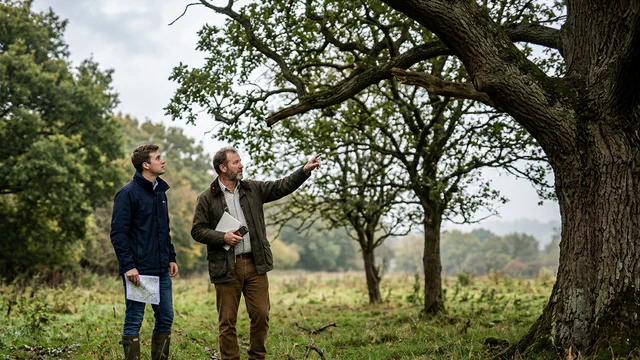
The type of tree survey required depends on where you are in the planning process and what your local authority has asked for. Most development projects begin with a BS5837 tree survey, which assesses every tree on and around the site, assigns each one a category, and produces a Tree Constraints Plan that your architect uses to establish the developable area.
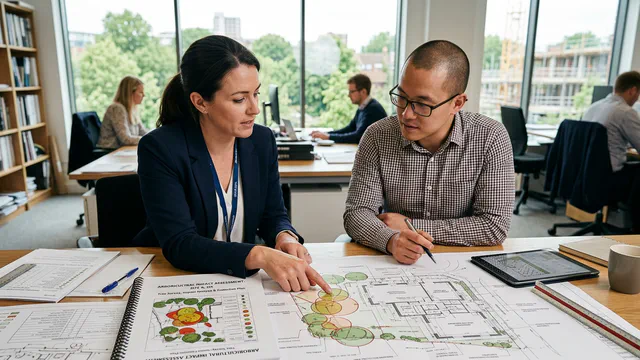
From there, further documents may be required. An Arboricultural Impact Assessment (AIA) examines how your proposed works will affect specific trees. An Arboricultural Method Statement (AMS) sets out how agreed protection measures will be put into practice during construction. A Tree Protection Plan (TPP) details physical safeguards that must be in place on site.
If you’re not sure which applies to your project, tell us what you’re planning and we’ll advise you.
How long a tree survey takes
Timescales depend on the size of the site and the number of trees involved, but most projects follow a predictable pattern. A BS5837 survey typically takes one to five days from site visit to completed report. Impact assessments generally fall within two to four days, and method statements or protection plans between one and three days.
If you’re working to a tight programme, we offer a next working day report upgrade. Ask about this when you request your quote.
What it costs
Tree surveys are priced from £249. The final figure is based on the number of trees to be assessed, the size and location of your site, and the type of report required. We price on what your site actually needs: a small residential plot with a handful of trees won’t be quoted like a large commercial development.
There are no hidden extras. Every quote is fixed and includes all surveyor expenses. Request yours with your site address and we’ll turn it around quickly.
Health and safety surveys: not just planning
Tree surveys aren’t only required for planning applications. If you own or manage land with trees, you have an ongoing duty to assess whether those trees pose a risk to people or property.
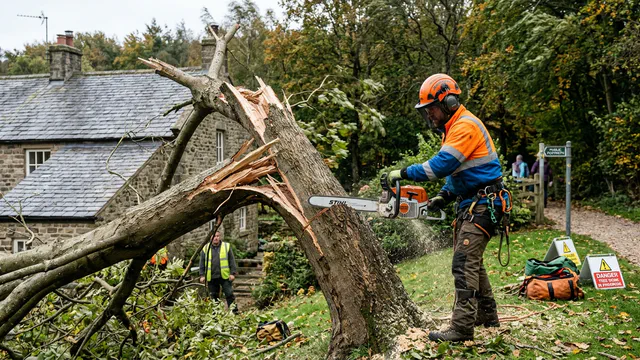
We carry out health and safety tree assessments for both commercial and private clients, checking structural condition, identifying signs of decay or instability, and producing a clear record of any remedial action required. If a tree is subject to a Tree Preservation Order or sits within a conservation area, we’ll factor that into the assessment and advise on what’s permitted.
Coverage and how to get started
Our surveyors are located throughout England, with coverage across Scotland, Wales and beyond. Wherever your site is, we can generally get someone to you without it affecting your quote.
To get started, request a free quote with your site address and a brief description of your project. We’ll confirm which surveys are needed, give you a fixed price, and book a survey date. There’s no obligation to proceed until you’re ready.
Guides & insights
Guides & insights
Practical explainers on BS5837, constraints plans and what planning authorities expect.
Deliverables
Tree reports your planning and construction teams can rely on
Most schemes start with a BS5837 survey and constraints plan. We then add impact work, protection plans and supervision as your authority asks for them — or lighter reporting when that is proportionate for your site.
Get started today
Let's move your site forward.
Fixed pricing in 4 minutes. No commitment until you book.