From £249
Arboricultural Impact Assessment (AIA)
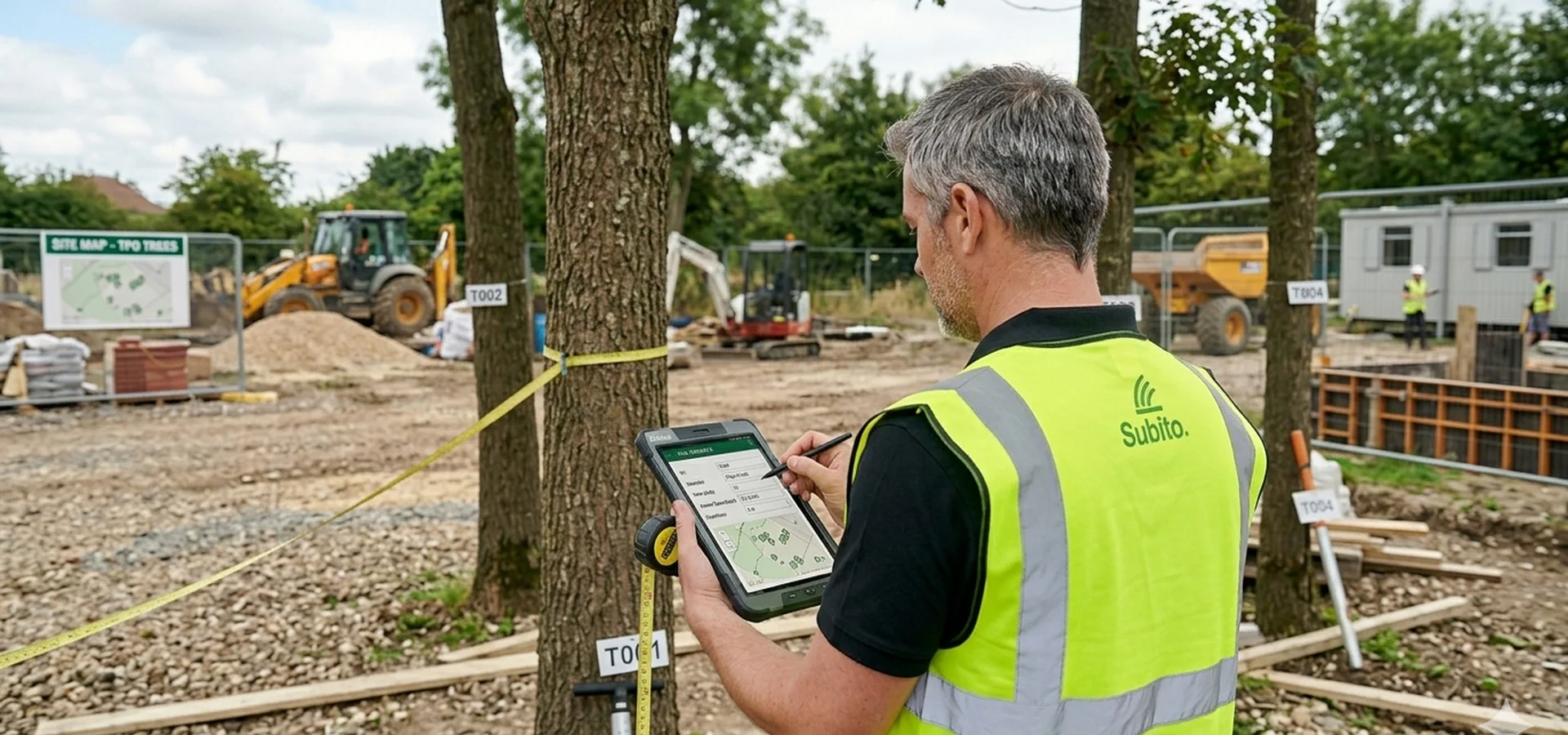
An AIA examines your proposals against the tree stock and produces a clear, evidenced report on what can be built, what needs to change, and what protection is required.
Overview
Finding the Balance Between Your Design and the Trees
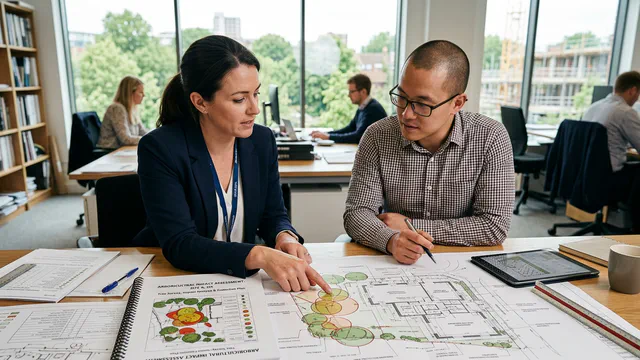
Trees and development don’t have to be in conflict, but the relationship needs to be properly documented before your planning authority will accept it. An AIA examines your proposals against the existing tree stock and produces a clear, evidenced report on what can be built, what needs to change, and what protection measures are required.
The assessment covers canopy spread, root locations, Root Protection Areas, and the likely impact of construction activity on each retained tree. Where conflicts exist, the report sets out practical solutions rather than leaving the council to draw its own conclusions.
An AIA often leads directly into an Arboricultural Method Statement, which puts the recommended measures into practice during construction. We can handle both, keeping the documentation consistent and the process straightforward.
FAQ
Arboricultural Impact Assessments — Your Questions Answered
What an AIA actually examines
An AIA goes further than a tree survey. Where the BS5837 survey records what trees are present and what condition they are in, the AIA takes the proposed development layout and works through it tree by tree, assessing what each element of the scheme would mean for the trees involved.
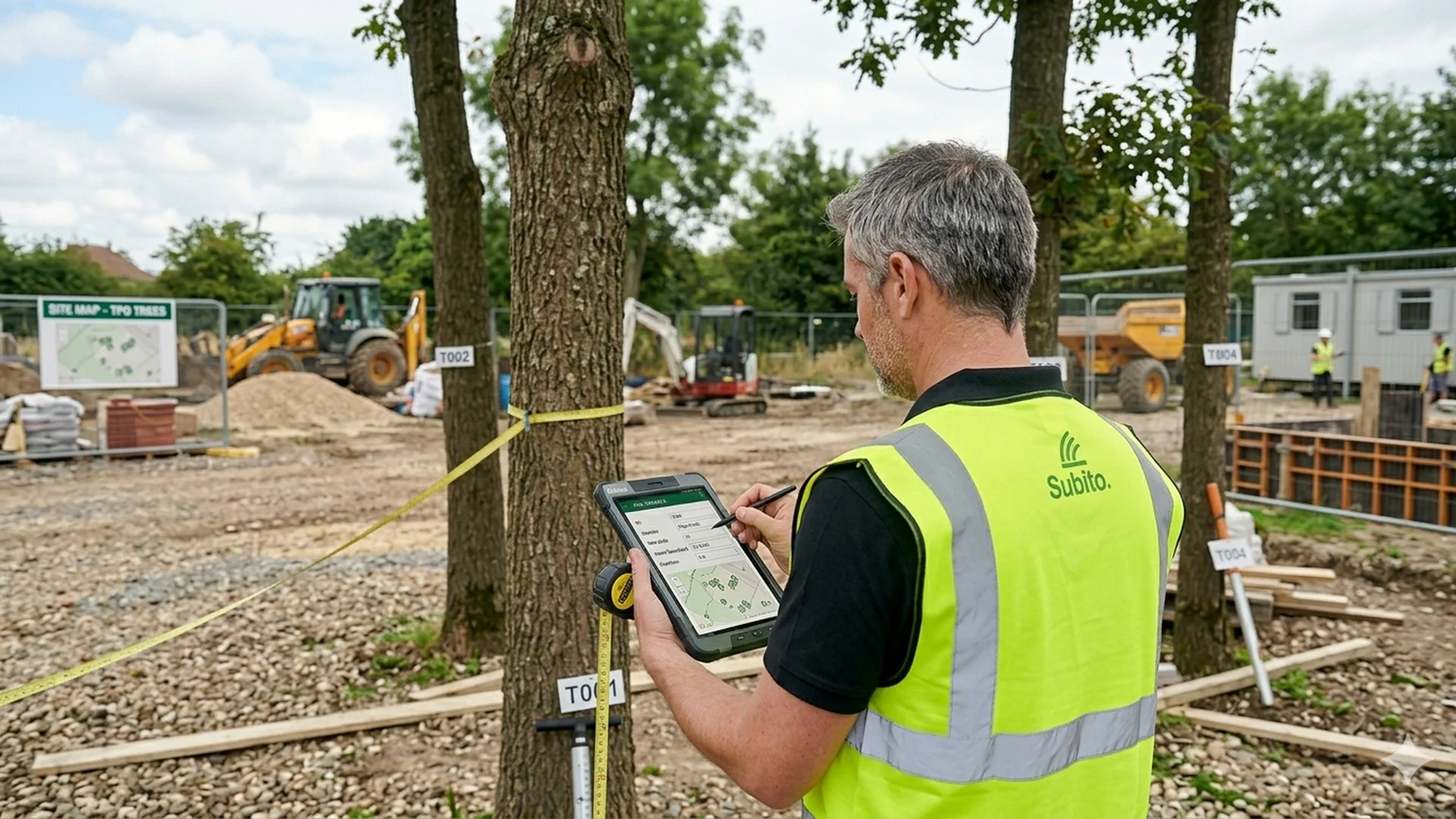
That includes the spread of branches above ground, the extent of the root system below, Root Protection Areas, and the likely effects of excavation, ground compaction, vehicle movements, and materials storage during construction. Construction Exclusion Zones are identified, safe working areas are established, and the report sets out the protection measures needed to keep retained trees viable throughout the build.
When your council will ask for one
An AIA is required when a development proposal could affect trees on or adjacent to the site and the local planning authority needs more detail than the BS5837 survey alone provides. This applies to a wide range of projects, from residential extensions to larger housing or commercial schemes.
The requirement becomes more likely if the site contains trees covered by a Tree Preservation Order, falls within a conservation area, or involves works close to the Root Protection Areas of high-category trees. In some cases the council will ask for an AIA as a pre-commencement condition on a consent that has already been granted.
If you are unsure whether an AIA is required for your project, tell us what you are planning and we will advise you.
What the report contains
A complete AIA brings together the findings from the tree survey with a detailed analysis of how the proposed development interacts with each tree. The report typically includes the survey results, a Tree Constraints Plan showing where trees sit in relation to the proposed layout, an analysis of potential conflicts between the design and existing tree positions, and specific recommendations for protection measures.
Where removal of lower-category trees is proposed, the report addresses compensatory planting requirements. Where retention is required, it specifies the measures needed to keep those trees viable. The report is structured to meet the requirements of BS5837:2012 and is written for submission directly to your local planning authority.
How an AIA connects to other documents
An AIA rarely sits in isolation. It builds on the data collected during the BS5837 tree survey and, where the council requires construction-stage detail, leads directly into an Arboricultural Method Statement (AMS). The AMS translates the AIA’s recommendations into a step-by-step methodology for contractors to follow on site.
Where a Tree Protection Plan is also required, the AIA provides the foundation for that too, establishing which trees are to be retained and what their protection zones require. We can produce all of these documents as a connected set, ensuring the information is consistent across every submission.
How long it takes and what it costs
AIA pricing starts from £249 and varies depending on the number of trees involved, the complexity of the site layout, and the level of detail the council has asked for. Where we carried out the original BS5837 survey, we already hold the site data and can move to the AIA efficiently.
Turnaround is typically two to four days from instruction. To get a fixed price, provide us with your site address, a brief description of the proposed works, and any correspondence from your planning authority setting out what they need. We’ll confirm the scope and cost quickly, with no hidden extras.
Deliverables
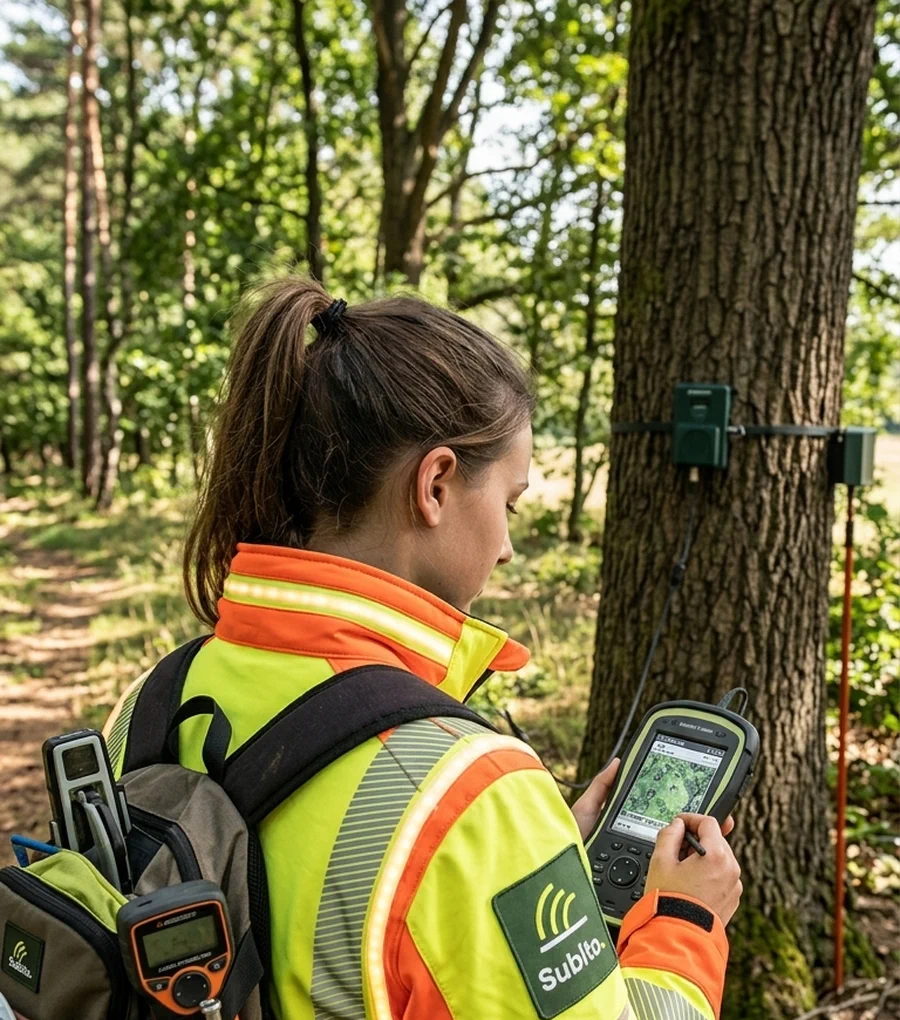
Design-stage tree impact, written for determination
When layout presses against retained trees, an AIA sets out effects, mitigation and residual impact in a form case officers use to move applications forward.
Guides & insights
Guides & insights
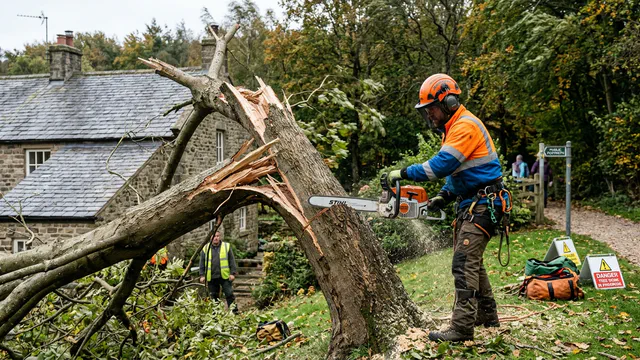
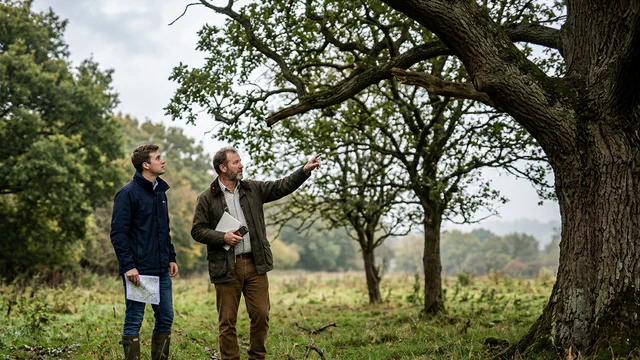
Practical explainers on BS5837, constraints plans and what planning authorities expect.
More surveys
Looking for a different tree survey?
Browse every survey type and deliverable — constraints plans, impact assessment, protection plans and more — on our tree surveys overview.