From £299
Arboricultural Supervision and Site Monitoring
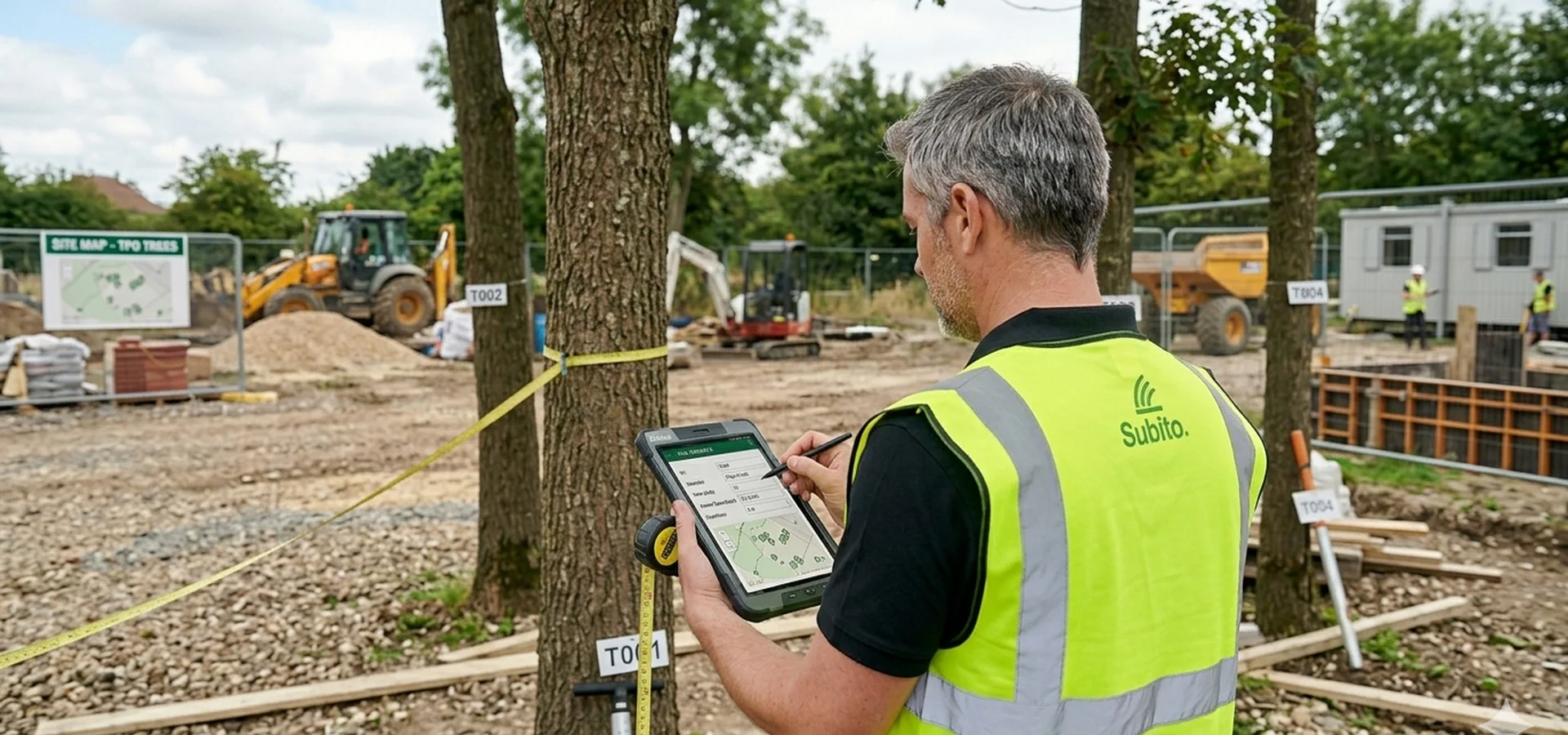
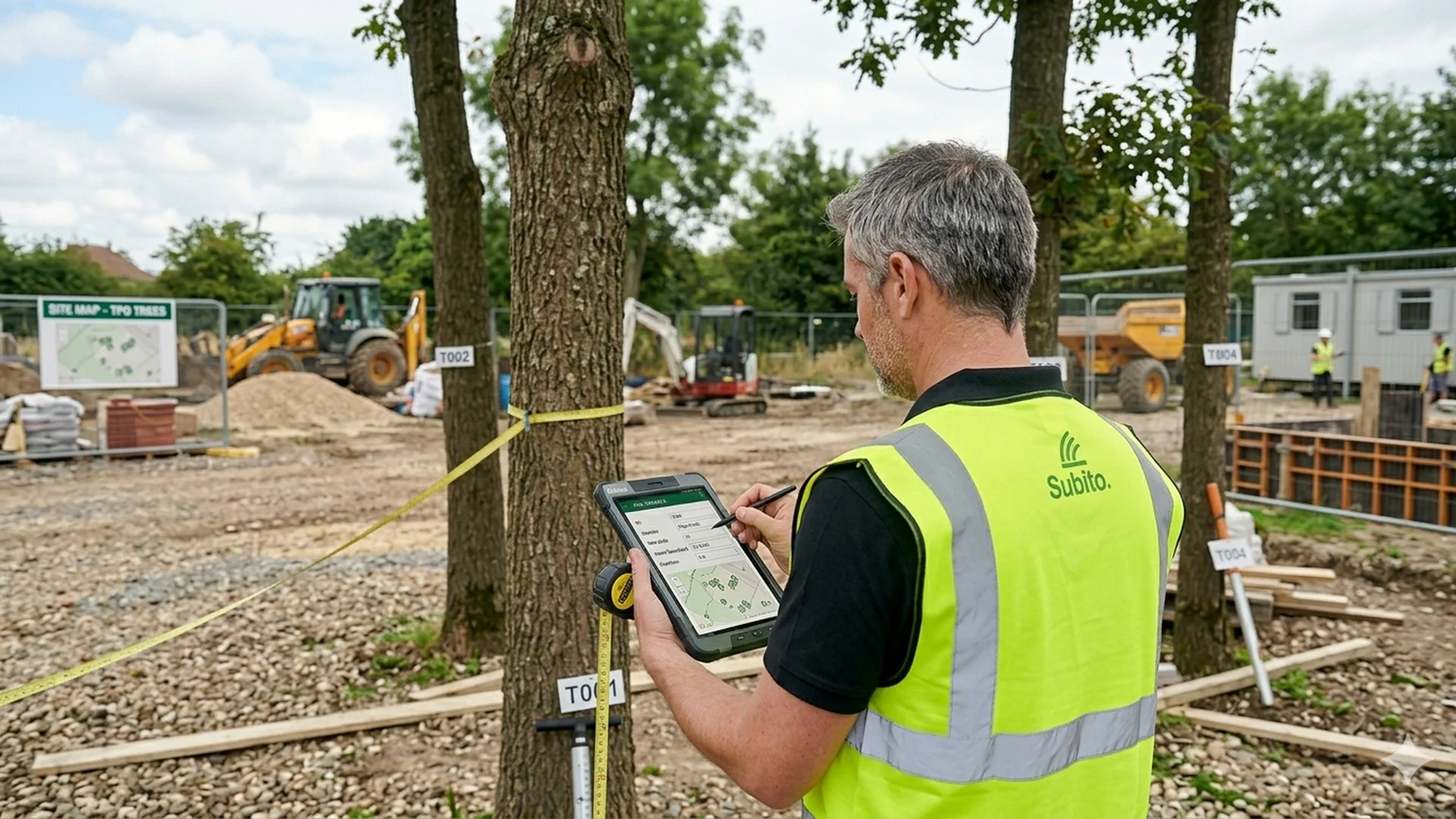
We attend site as your Arboricultural Clerk of Works, overseeing sensitive operations close to retained trees, checking that protection measures are in place and being maintained, and producing the inspection records your local authority needs to discharge the conditions on your consent.
Overview
Keeping Your Build Compliant From the First Day to the Last
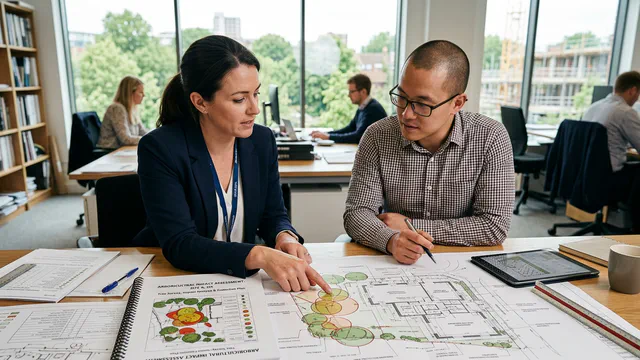
Planning conditions that require arboricultural supervision are not satisfied by paperwork alone. Someone qualified needs to be on site, watching the work as it happens, and recording what they see. That record is what your local authority reviews before they’ll sign off the conditions and allow occupation.
We act as Arboricultural Clerk of Works for development projects of all sizes. We attend at the stages your planning conditions specify, check that contractors are working within the agreed methodology, and produce a written report after every visit. If something isn’t right, we identify it before it becomes a problem. If your tree officer makes an ad hoc visit, the supervision record is ready for them.
The level of involvement required varies considerably by site. We’ll advise you on what your conditions actually call for and structure our attendance accordingly, keeping costs proportionate to the risk.
FAQ
Arboricultural Supervision — Your Questions Answered
What arboricultural supervision involves
Supervision means a qualified arboriculturist attending your site at agreed stages and checking that work near retained trees is being carried out in line with the approved Arboricultural Method Statement and Tree Protection Plan. That includes verifying that protective fencing is correctly positioned and undamaged, that Construction Exclusion Zones are being respected, and that any operations within Root Protection Areas are being carried out using the methods specified in the AMS.
After each visit, a written report is produced documenting what was inspected, what was found, and any actions required. These reports form the auditable record that your local planning authority expects to see before discharging the relevant planning conditions.
When your planning conditions will require it
Local planning authorities are increasingly conditioning arboricultural supervision on sites where trees are being retained close to construction activity. It is most commonly required where the approved AMS includes operations within Root Protection Areas, where trees are protected by a Tree Preservation Order or sit within a conservation area, or where the development involves sensitive groundworks such as piling, trenching, or excavation close to tree root zones.
The requirement may be for supervision of specific operations only, or for periodic monitoring throughout the build. In some cases the local authority simply wants to know that a qualified person has eyes on the site at regular intervals. Your planning conditions will specify what is needed; we can review those conditions and confirm what our involvement needs to look like.
How supervision is structured across the build
Every supervised project begins with a Project Initiation Visit before any demolition or construction work starts. We attend with the site manager, walk the site, confirm that all protection measures are correctly installed, and agree the schedule for subsequent visits.
From there, the frequency of attendance is determined by what is happening on site. Piling or excavation within a Root Protection Area may require us to be present throughout those specific operations. Routine monitoring of a less sensitive site might mean periodic inspections at agreed intervals. Where operations close to trees need to be scheduled around our attendance, we work with the site team to fit that into the programme without causing unnecessary delay.
What happens if protection measures are breached
If a site inspection reveals that fencing has been moved without authorisation, that materials have been stored within an exclusion zone, or that groundwork has encroached on a Root Protection Area, the supervision record documents it. We advise on the remedial steps required and, where necessary, liaise directly with the local authority tree officer on your behalf.
Having a qualified arboriculturist involved reduces the likelihood of enforcement action significantly. A supervised site with a clear record of compliance gives the tree officer far less reason to intervene than an unsupervised one. If an incident does occur, the record of supervision demonstrates that proper processes were in place and being followed.
The records the local authority needs to see
Before a planning authority will discharge the arboricultural conditions on your consent, they need evidence that the AMS was adhered to throughout the build. That evidence takes the form of the supervision reports produced after each site visit, collated into a schedule of compliance that can be submitted with your pre-occupation condition discharge application.
Each report covers the date and scope of the visit, what was inspected, what was found, and any actions required. These reports form the auditable record that your local planning authority expects to see before discharging the relevant planning conditions.
The final submission gives your planning officer a clear, chronological record of arboricultural compliance from first day to last.
What it costs and how to get started
Supervision costs are based on the number of visits required, the duration of specific operations that need to be attended, and the location of the site. For straightforward monitoring schedules, this is predictable and easy to cost in advance. For sites with complex groundworks close to trees, we’ll discuss the likely programme with you and give a clear picture of what’s involved before anything is committed.
To get started, share your planning consent and the relevant conditions with us. We’ll review them, confirm what the local authority is asking for, and provide a fixed quote for the supervision programme.
Guides & insights
Guides & insights
Practical explainers on BS5837, constraints plans and what planning authorities expect.
More surveys
Looking for a different tree survey?
Browse every survey type and deliverable — constraints plans, impact assessment, protection plans and more — on our tree surveys overview.